The Flitting (II)


I walk adown the narrow lane,
The nightingale is singing now,
But like to me she seems at loss
For Royce Wood and its shielding bough.
I lean upon the window sill,
The trees and summer happy seem;
Green, sunny green they shine, but still
My heart goes far away to dream.

Of happiness, and thoughts arise
With home-bred pictures many a one,
Green lanes that shut out burning skies
And old crooked stiles to rest upon;
Above them hangs the maple tree,
Below grass swells a velvet hill,
And little footpaths sweet to see
Go seeking sweeter places still,

With bye and bye a brook to cross
Oer which a little arch is thrown:
No brook is here, I feel the loss
From home and friends and all alone.
--The stone pit with its shelvy sides
Seemed hanging rocks in my esteem;
I miss the prospect far and wide
From Langley Bush, and so I seem

Alone and in a stranger scene,
Far, far from spots my heart esteems,
The closen with their ancient green,
Heaths, woods, and pastures, sunny streams.
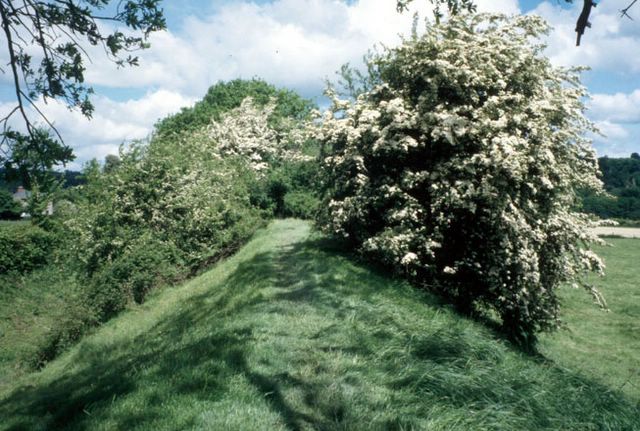
The hawthorns here were hung with may,
But still they seem in deader green,
The sun een seems to lose its way
Nor knows the quarter it is in.
(tbc) Posted by Hello

The Flitting (I)


Ten months after the first posting on this weblog, it is about time we looked at 'The Flitting', with its haunting descriptions of rural landscapes and in which Clare expresses his regret moving just few miles from Helpstone, and his sense of loss.

I've left my own old home of homes,
Green fields and every pleasant place;
The summer like a stranger comes,
I pause and hardly know her face.
I miss the hazel's happy green,
The blue bell's quiet hanging blooms,
Where envy's sneer was never seen,
Where staring malice never comes.

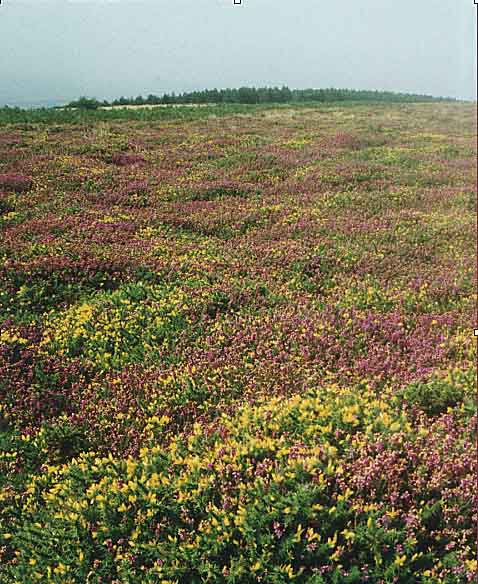
I miss the heath, its yellow furze,
Molehills and rabbit tracks that lead
Through beesom, ling, and teazel burrs
That spread a wilderness indeed;
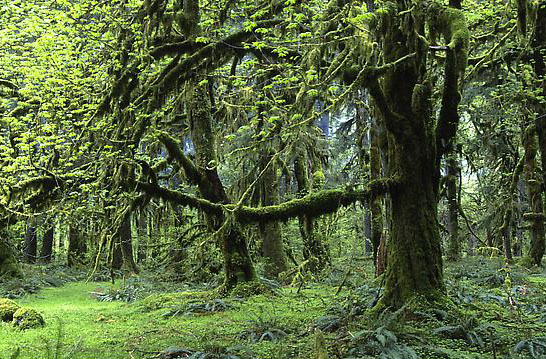
The woodland oaks and all below
That their white powdered branches shield,
The mossy paths: the very crow
Croaks music in my native field.

I sit me in my corner chair
That seems to feel itself from home,
And hear bird music here and there
From hawthorn hedge and orchard come;
I hear, but all is strange and new:
I sat on my old bench in June,
The sailing puddock's shrill "peelew"
On Royce Wood seemed a sweeter tune.

(tbc) Posted by Hello

From the Village Minstrel


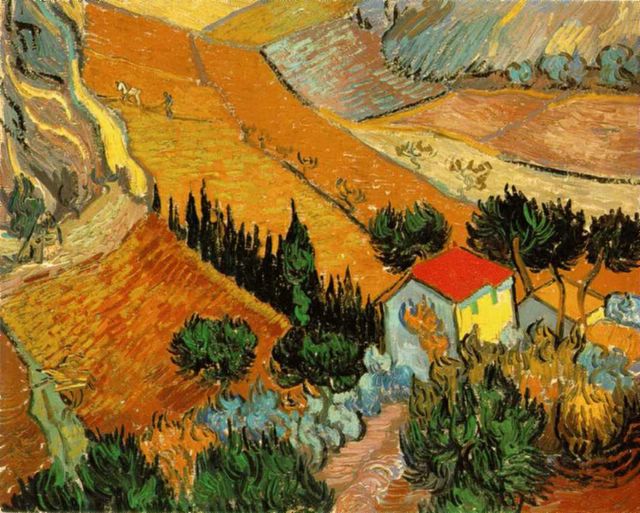
(Vincent Van Gogh)

III.
Young Lubin was a peasant from his birth;
His sire a hind born to the flail and plough,
To thump the corn out and to till the earth,
The coarsest chance which nature's laws allow,
To earn his living by a sweating brow;
Thus labour's early days did rugged roll,
Mixt with untimely toil-but e'en as now,
Ambitions prospects fired his little soul,
And fancy soared and sung, 'bove poverty's control.

IV.
Small joy to him were childhood's tempting tricks,
Which school-boys look for in their vacant hours;
With other boys he little cared to mix;
Joy left him lonely in his hawthorn bowers,
As haply binding up his knots of flowers,
Or list'ning unseen birds to hear them sing;
Or gazing downward where the runnel pours,
Through the moss'd bridge, in many a whirling ring;
How would he muse o'er all on pleasure's fairy wing.

 Posted by Hello

From "The Parish: A Satire"


In politics and politicians' lies
The modern farmer waxes wondrous wise;
Opinionates with wisdom all compact,
And een could tell a nation how to act;
Throws light on darkness with excessive skill,
Knows who acts well and whose designs are ill,
Proves half the members nought but bribery's tools,
And calls the past a dull dark age of fools.

As wise as Solomon they read the news,
Not with their blind forefathers' simple views,
Who read of wars, and wished that wars would cease,
And blessed the King, and wished his country peace;
Who marked the weight of each fat sheep and ox,
The price of grain and rise and fall of stocks;
Who thought it learning how to buy and sell,
And him a wise man who could manage well.

No, not with such old-fashioned, idle views
Do these newsmongers traffic with the news.
They read of politics and not of grain,
And speechify and comment and explain,
And know so much of Parliament and state
You'd think they're members when you heard them prate;
And know so little of their farms the while
They can but urge a wiser man to smile.

 Posted by Hello

Sudden Shower


Black grows the southern sky, betokening rain,
And humming hive-bees homeward hurry bye:
They feel the change; so let us shun the grain,
And take the broad road while our feet are dry.
Ay, there some dropples moistened on my face,
And pattered on my hat--tis coming nigh!
Let's look about, and find a sheltering place.
The little things around, like you and I,
Are hurrying through the grass to shun the shower.
Here stoops an ash-tree--hark! the wind gets high,
But never mind; this ivy, for an hour,
Rain as it may, will keep us dryly here:
That little wren knows well his sheltering bower,
Nor leaves his dry house though we come so near.
 Posted by Hello

Nobody Cometh to Woo (III)


When I've nothing my leisure to hinder
I scarce get as far as the eaves;
Her head's instant out of the window
Calling out like a press after thieves.
The young men all fall to remarking,
And laugh till they're weary to see't,
While the dogs at the noise begin barking,
And I slink in with shame from the street.

My mother's aye jealous of loving,
My father's aye jealous of play,
So what with them both there's no moving,
I'm in durance for life and a day.
O who shall I get for to marry me?
Who will have pity to woo?
Tis death any longer to tarry me,
And what shall a poor maiden do?
 Posted by Hello

Nobody Cometh to Woo (II)


If I sigh through the window when Jerry
The ploughman goes by, I grow bold;
And if I'm disposed to be merry,
My parents do nothing but scold;
And Jerry the clown, and no other,
Eer cometh to marry or woo;
They think me the moral of mother
And judge me a terrible shrew.

For mother she hateth all fellows,
And spinning's my father's desire,
While the old cat growls bass with the bellows
If eer I hitch up to the fire.
I make the whole house out of humour,
I wish nothing else but to please,
Would fortune but bring a new comer
To marry, and make me at ease!
 Posted by Hello

Nobody Cometh to Woo (I)


On Martinmas eve the dogs did bark,
And I opened the window to see,
When every maiden went by with her spark
But neer a one came to me.
And O dear what will become of me?
And O dear what shall I do,
When nobody whispers to marry me--
Nobody cometh to woo?

None's born for such troubles as I be:
If the sun wakens first in the morn
"Lazy hussy" my parents both call me,
And I must abide by their scorn,
For nobody cometh to marry me,
Nobody cometh to woo,
So here in distress must I tarry me--
What can a poor maiden do?
 Posted by Hello

Wild Bees (excerpt)


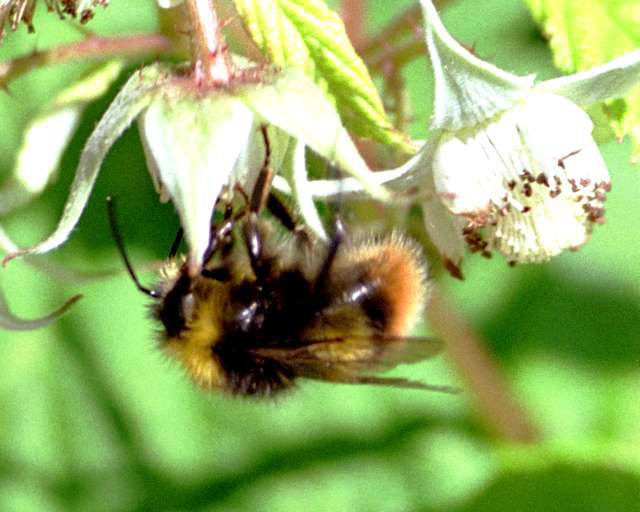
The black and yellow bumble first on wing
To buzz among the sallow's early flowers,
Hiding its nest in holes from fickle spring
Who stints his rambles with her frequent showers;
And one that may for wiser piper pass,
In livery dress half sables and half red,
Who laps a moss ball in the meadow grass
And hoards her stores when April showers have fled;
And russet commoner who knows the face
Of every blossom that the meadow brings,
Starting the traveller to a quicker pace
By threatening round his head in many rings:
These sweeten summer in their happy glee
By giving for her honey melody.
 Posted by Hello

Grasshoppers


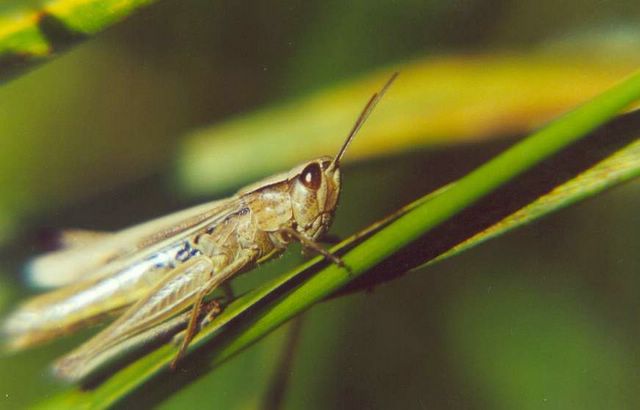
Grasshoppers go in many a thumming spring
And now to stalks of tasseled sow-grass cling,
That shakes and swees awhile, but still keeps straight;
While arching oxeye doubles with his weight.
Next on the cat-tail-grass with farther bound
He springs, that bends until they touch the ground.
 Posted by Hello

Summer Winds


The wind waves oer the meadows green
And shakes my own wild flowers
And shifts about the moving scene
Like the life of summer hours;
The little bents with reedy head,
The scarce seen shapes of flowers,
All kink about like skeins of thread
In these wind-shaken hours.

All stir and strife and life and bustle
In everything around one sees;
The rushes whistle, sedges rustle,
The grass is buzzing round like bees;
The butterflies are tossed about
Like skiffs upon a stormy sea;
The bees are lost amid the rout
And drop in [their] perplexity.

Wilt thou be mine, thou bonny lass?
Thy drapery floats so gracefully;
We'll walk along the meadow grass,
We'll stand beneath the willow tree.
We'll mark the little reeling bee
Along the grassy ocean rove,
Tossed like a little boat at sea,
And interchange our vows of love.
 Posted by Hello


"My love is young and handsome
As any in the town,
She's worth a ploughman's ransom
In the drab cotton gown."
He sang and turned his furrow oer
And urged his team along,
While on the willow as before
The old crow croaked his song:
The ploughman sung his rustic lay
And sung of Phoebe all the day.

The crow he was in love no doubt
And [so were] many things:
The ploughman finished many a bout,
And lustily he sings,
"My love she is a milking maid
With red rosy cheek;
Of cotton drab her gown was made,
I loved her many a week."
His milking maid the ploughman sung
Till all the fields around him rung.
 Posted by Hello

In Hilly Wood


How sweet to be thus nestling deep in boughs,
Upon an ashen stoven pillowing me;
Faintly are heard the ploughmen at their ploughs,
But not an eye can find its way to see.
The sunbeams scarce molest me with a smile,
So thickly the leafy armies gather round;
And where they do, the breeze blows cool the while,
Their leafy shadows dancing on the ground.
Full many a flower, too, wishing to be seen,
Perks up its head the hiding grass between,--
In mid-wood silence, thus, how sweet to be;
Where all the noises, that on peace intrude,
Come from the chittering cricket, bird, and bee,
Whose songs have charms to sweeten solitude.
 Posted by Hello

The Skylark


Above the russet clods the corn is seen
Sprouting its spiry points of tender green,
Where squats the hare, to terrors wide awake,
Like some brown clod the harrows failed to break.
Opening their golden caskets to the sun,
The buttercups make schoolboys eager run,
To see who shall be first to pluck the prize -
Up from their hurry see the Skylark flies,
And oer her half-formed nest, with happy wings,
Winnows the air till in the cloud she sings,
Then hangs a dust spot in the sunny skies,
And drops and drops till in her nest she lies,
Which they unheeded passed - not dreaming then
That birds, which flew so high, would drop again
To nests upon the ground, which anything
May come at to destroy. Had they the wing
Like such a bird, themselves would be too proud
And build on nothing but a passing cloud!
As free from danger as the heavens are free
From pain and toil, there would they build and be,
And sail about the world to scenes unheard
Of and unseen, - O were they but a bird!
So think they, while they listen to its song,
And smile and fancy and so pass along;
While its low nest, moist with the dews of morn,
Lies safely, with the leveret, in the corn.
 Posted by Hello

The Lout


For Sunday's play he never makes excuse,
But plays at taw, and buys his Spanish juice.
Hard as his toil, and ever slow to speak,
Yet he gives maidens many a burning cheek;
For none can pass him but his witless grace
Of bawdry brings the blushes in her face.
As vulgar as the dirt he treads upon
He calls his cows or drives his horses on;
He knows the lamest cow and strokes her side
And often tries to mount her back and ride,
And takes her tail at night in idle play,
And makes her drag him homeward all the way.
He knows of nothing but the football match,
And where hens lay, and when the duck will hatch.
 Posted by Hello

The March Nosegay


The bonny March morning is beaming
In mingled crimson and grey,
White clouds are streaking and creaming
The sky till the noon of the day;
The fir deal looks darker and greener,
And grass hills below look the same;
The air all about is serener,
The birds less familiar and tame.

Here's two or three flowers for my fair one,
Wood primroses and celandine too;
I oft look about for a rare one
To put in a posy for you.
The birds look so clean and so neat,
Though there's scarcely a leaf on the grove;
The sun shines about me so sweet,
I cannot help thinking of love.

So where the blue violets are peeping,
By the warm sunny sides of the woods,
And the primrose, 'neath early morn weeping,
Amid a large cluster of buds,
(The morning it was such a rare one,
So dewy, so sunny, and fair,)
I sought the wild flowers for my fair one,
To wreath in her glossy black hair.
 Posted by Hello

The Stranger (excerpt)


His presence was a peace to all,
He bade the sorrowful rejoice.
Pain turned to pleasure at his call,
Health lived and issued from his voice.
He healed the sick and sent abroad
The dumb rejoicing in the Lord.

The blind met daylight in his eye,
The joys of everlasting day;
The sick found health in his reply;
The cripple threw his crutch away.
Yet he with troubles did remain
And suffered poverty and pain.

Yet none could say of wrong he did,
And scorn was ever standing bye;
Accusers by their conscience chid,
When proof was sought, made no reply.
Yet without sin he suffered more
Than ever sinners did before.
 Posted by Hello

Providence, right understood


Your blinded eyes, worst foes to you,
Can't see the good which sparrows do.
Did not poor birds with watching rounds
Pick up the insects from your grounds,
Did they not tend your rising grain,
You then might sow to reap in vain.
Thus Providence, right understood,
Whose end and aim is doing good,
Sends nothing here without its use;
Though ignorance loads it with abuse,
And fools despise the blessing sent,
And mock the Giver's good intent.--
O God, let me what's good pursue,
Let me the same to others do
As I'd have others do to me,
And learn at least humanity.

(From 'Summer Evening')
 Posted by Hello

Approaching Night (II)


Go with your tauntings, go;
Neer think to hurt me so;
I'll scoff at your disdain.
Cold though the winter blow,
When hills are free from snow
It will be spring again.

So go, and fare thee well,
Nor think ye'll have to tell
Of wounded hearts from me,
Locked up in your hearts cell.
Mine still at home doth dwell
In its first liberty.

Bees sip not at one flower,
Spring comes not with one shower,
Nor shines the sun alone
Upon one favoured hour,
But with unstinted power
Makes every day his own.

And for my freedom's sake
With such I'll pattern take,
And rove and revel on.
Your gall shall never make
Me honied paths forsake;
So prythee get thee gone.

And when my toil is blest
And I find a maid possest
Of truth that's not in thee,
Like bird that finds its nest
I'll stop and take my rest;
And love as she loves me.
 Posted by Hello

Word from Wormingford


I make no apology for featuring Ronald Blythe once again on this Blog. Ronnie is the President of the Clare Society, and writes weekly for the Church Times. Below is this week's wonderful essay.

To Keswick for the literature festival. To get into the train at Euston and to remain in it until Penrith, what happiness! Nearby, a Scottish woman reads to her little son Oscar just loud enough for me to enjoy the tale.

There is Staffordshire, there is Lancaster, there is Penrith, and there, getting out of a rear carriage is the poet A. Alvarez waving his stick in greeting. And here suddenly are the mountains in their endless permutation of shadows. On a March day in 1801, Coleridge's small son "Looking out of my study window fixed his eyes steadily & for some time on the opposite prospect, & then said - Will yon Mountains always be?"

They were in freezing Greta Hall. I am in a snug hotel where snowy Skiddaw rises behind an enclosed swimming pool in which a novelist splashes up and down, making the most of this outing, for, as everyone knows, we writers tend to be penned up, as one might say, immured from each other for most of the time. Now we mix and identify. So that is what Deborah Moggach looks like.

After dinner, Louis de Bernières stands up to recite "What gat ye to your dinner, Lord Randal, my son?". "Now your turn," somebody insists, turning to me. But in the first place I am suddenly empty-headed, and in the second place poor poisoned Lord Randal "fain wald lie doon" and must not be disturbed. Also, I am thinking how like Coleridge Louis looks, a large rumpled figure with a searching gaze.

With a couple of hours to spare before I give my talk, I make the most of Derwent Water, first strolling along its edge, then striding off recklessly towards a muddy wood where huge machines are doing a bit of felling. It comes on to snow, and then to rain, and then both.

I take shelter beneath a boat, and take heart from Coleridge, although he was only in his late 20s when he climbed and skidded around Keswick. And he was so ill! How ill folk were then. Those authors up at the hotel, how healthy they look. He used his aches and pains "as a Storehouse of wild Dreams for poems, or intellectual Facts for metaphysical Speculation".

I look at my watch and see that I have to be on stage in half an hour. But I have lost my way. The snowstorm has blinded me. I hurry along in the wrong direction. An old lady appears. She stares at my feet to see if my shoes are fit for a short-cut across a drenched hill, and they are, and in minutes I am at the Theatre by the Water reading from my novel The Assassin. Coleridge named his son Derwent after my Lake. It means a river where oaks are common.

Then home to readings and music at Little Horkesley in a full yet cold church, for there come winter days in these buildings when their heating is no match for the determined low temperatures that they have inherited from the Middle Ages, and one might be cosier in the churchyard.

The music includes Trevor Hold's settings of John Clare, who loved the Lakeland poets. I find it moving that all our storytellers, from whoever it was who wrote Lord Randal to those who make their way to 21st-century literature festivals, have seen the same scenery, breathed much the same air. Looked into much the same faces.

Just before evensong, a quarter-peal was rung for Henry our new Priest-in-Charge, and we sang beautiful words about going from strength to strength, and about nesting birds finding protection on altars, and about "Through the hours in darkness shrouded Let me see thy face unclouded," as we called it a day.

(Ronald Blythe - Church Times [18th March 2005]) Posted by Hello

Approaching Night (I)


O take this world away from me;
Its strife I cannot bear to see,
Its very praises hurt me more
Than een its coldness did before,
Its hollow ways torment me now
And start a cold sweat on my brow,
Its noise I cannot bear to hear,
Its joy is trouble to my ear,
Its ways I cannot bear to see,
Its crowds are solitudes to me.
O, how I long to be agen
That poor and independent man,
With labour's lot from morn to night
And books to read at candle light;
That followed labour in the field
From light to dark when toil could yield
Real happiness with little gain,
Rich thoughtless health unknown to pain:
Though, leaning on my spade to rest,
I've thought how richer folks were blest
And knew not quiet was the best.
(tbc)
 Posted by Hello

Love and Solitude


I hate the very noise of troublous man
Who did and does me all the harm he can.
Free from the world I would a prisoner be
And my own shadow all my company;
And lonely see the shooting stars appear,
Worlds rushing into judgment all the year.
O lead me onward to the loneliest shade,
The darkest place that quiet ever made,
Where kingcups grow most beauteous to behold
And shut up green and open into gold.
Farewell to poesy--and leave the will;
Take all the world away--and leave me still
The mirth and music of a woman's voice,
That bids the heart be happy and rejoice.
 Posted by Hello

The Wood-cutter's Night Song


Welcome, red and roundy sun,
Dropping lowly in the west;
Now my hard day's work is done,
I'm as happy as the best.

Joyful are the thoughts of home,
Now I'm ready for my chair,
So, till morrow-morning's come,
Bill and mittens, lie ye there!

Though to leave your pretty song,
Little birds, it gives me pain,
Yet to-morrow is not long,
Then I'm with you all again.

If I stop, and stand about,
Well I know how things will be,
Judy will be looking out
Every now-and-then for me.

So fare ye well! and hold your tongues,
Sing no more until I come;
They're not worthy of your songs
That never care to drop a crumb.

All day long I love the oaks,
But, at nights, yon little cot,
Where I see the chimney smokes,
Is by far the prettiest spot.

Wife and children all are there,
To revive with pleasant looks,
Table ready set, and chair,
Supper hanging on the hooks.

Soon as ever I get in,
When my faggot down I fling,
Little prattlers they begin
Teasing me to talk and sing.

Welcome, red and roundy sun,
Dropping lowly in the west;
Now my hard day's work is done,
I'm as happy as the best.

Joyful are the thoughts of home,
Now I'm ready for my chair,
So, till morrow-morning's come,
Bill and mittens, lie ye there!
 Posted by Hello

The Sleep of Spring


O for that sweet, untroubled rest
That poets oft have sung!--
The babe upon its mother's breast,
The bird upon its young,
The heart asleep without a pain--
When shall I know that sleep again?

When shall I be as I have been
Upon my mother's breast
Sweet Nature's garb of verdant green
To woo to perfect rest--
Love in the meadow, field, and glen,
And in my native wilds again?

The sheep within the fallow field,
The herd upon the green,
The larks that in the thistle shield,
And pipe from morn to e'en--
O for the pasture, fields, and fen!
When shall I see such rest again?

I love the weeds along the fen,
More sweet than garden flowers,
For freedom haunts the humble glen
That blest my happiest hours.
Here prison injures health and me:
I love sweet freedom and the free.

The crows upon the swelling hills,
The cows upon the lea,
Sheep feeding by the pasture rills,
Are ever dear to me,
Because sweet freedom is their mate,
While I am lone and desolate.

I loved the winds when I was young,
When life was dear to me;
I loved the song which Nature sung,
Endearing liberty;
I loved the wood, the vale, the stream,
For there my boyhood used to dream.

There even toil itself was play;
Twas pleasure een to weep;
Twas joy to think of dreams by day,
The beautiful of sleep.
When shall I see the wood and plain,
And dream those happy dreams again?
 Posted by Hello

The Snowdrop


SWEET type of innocence, snow-clothed blossom,
Seemly, though vainly, bowing down to shun
The storm hard-beating on thy wan white bosom,
Left in the swail, and little cheer'd by sun;
Resembling that frail jewel, just begun
To ope on vice's eye its witcheries blooming,
Midst all its storms, with little room to shun -
Ah, thou art winter's snowdrop, lovely Woman!
In this world dropt, where every evil's glooming
With killing tempests o'er its tender prey,
Watching the opening of thy beauties coming,
Its every infant charm to snatch away:
Then come the sorrows thou'rt too weak to brave,
And then thy beauty-cheek digs ruin's early grave.

 Posted by Hello

The Crow

How peaceable it seems for lonely men
To see a crow fly in the thin blue sky
Over the woods and fealds, o'er level fen
It speaks of villages, or cottage nigh
Behind the neighbouring woods -- when March winds high
Tear off the branches of the huge old oak
I love to see these chimney sweeps sail by
And hear them o'er gnarled forest croak
Then sosh askew from the hid woodman's stroke
That in the woods their daily labours ply
I love the sooty crow nor would provoke
Its march day exercises of croaking joy
I love to see it sailing to and fro
While feelds, and woods, and waters spread below.

Schoolboys in Winter

The schoolboys still their morning ramble take
To neighboring village school with playing speed,
Loitering with passtime's leisure till they quake,
Oft looking up the wild-geese droves to heed,
Watching the letters which their journeys make;
Or plucking haws on which their fieldfares feed,
And hips and sloes; and on each shallow lake
Making glib slides, where they like shadows go
Till some fresh passtimes in their minds awake.
Then off they start anew and hasty blow
Their numbed and clumpsing fingers till they glow;
Then races with their shadows wildly run
That stride huge giants o'er the shining snow
In the pale splendour of the winter sun.

The "pale splendour of the winter sun" is even now shining through my study window. We are off to walk on Woodbury Common again (see previous entry)... and hope not to be too "numbed and clumpsing...". Incidentally, you can listen to a walk on the Common if you follow the BBC link: a treat!

Emmonsail's Heath in Winter

I love to see the old heath's withered brake
Mingle its crimpled leaves with furze and ling,
While the old heron from the lonely lake
Starts slow and flaps his melancholy wing,
And oddling crow in idle motions swing
On the half rotten ashtree's topmost twig,
Beside whose trunk the gipsy makes his bed.
Up flies the bouncing woodcock from the brig
Where a black quagmire quakes beneath the tread,
The fieldfares chatter in the whistling thorn
And for the awe round fields and closen rove,
And coy bumbarrels twenty in a drove
Flit down the hedgerows in the frozen plain
And hang on little twigs and start again.

Have a look at these three sites for a glimpse of Woodbury Common (see posting below)... just a few minutes up the road from our home... unchanged in centuries.

http://www.clintondevon.co.uk/the_commons/index.shtml

http://www.exmouth-guide.co.uk/woodb.htm

http://www.bbc.co.uk/devon/outdoors/walks/woodbury_common.shtml

The Winter's Spring

A Clare poem for this Siberian blast we are experiencing in the UK at present

The winter comes; I walk alone,
I want no bird to sing;
To those who keep their hearts their own
The winter is the spring.
No flowers to please--no bees to hum--
The coming spring's already come.

I never want the Christmas rose
To come before its time;
The seasons, each as God bestows,
Are simple and sublime.
I love to see the snowstorm hing;
'Tis but the winter garb of spring.

I never want the grass to bloom:
The snowstorm's best in white.
I love to see the tempest come
And love its piercing light.
The dazzled eyes that love to cling
O'er snow-white meadows sees the spring.

I love the snow, the crumpling snow
That hangs on everything,
It covers everything below
Like white dove's brooding wing,
A landscape to the aching sight,
A vast expanse of dazzling light.

It is the foliage of the woods
That winters bring--the dress,
White Easter of the year in bud,
That makes the winter Spring.
The frost and snow his posies bring,
Nature's white spurts of the spring.

Snow Storm

What a night! The wind howls, hisses, and but stops
To howl more loud, while the snow volley keeps
Incessant batter at the window pane,
Making our comfort feel as sweet again;
And in the morning, when the tempest drops,
At every cottage door mountainous heaps
Of snow lie drifted, that all entrance stops
Untill the beesom and the shovel gain
The path, and leave a wall on either side.
The shepherd rambling valleys white and wide
With new sensations his old memory fills,
When hedges left at night, no more descried,
Are turned to one white sweep of curving hills,
And trees turned bushes half their bodies hide.

The boy that goes to fodder with surprise
Walks oer the gate he opened yesternight.
The hedges all have vanished from his eyes;
Een some tree tops the sheep could reach to bite.
The novel scene emboldens new delight,
And, though with cautious steps his sports begin,
He bolder shuffles the huge hills of snow,
Till down he drops and plunges to the chin,
And struggles much and oft escape to win--
Then turns and laughs but dare not further go;
For deep the grass and bushes lie below,
Where little birds that soon at eve went in
With heads tucked in their wings now pine for day
And little feel boys oer their heads can stray.

Mary Bateman

My love she wears a cotton plaid,
A bonnet of the straw;
Her cheeks are leaves of roses spread,
Her lips are like the haw.
In truth she is as sweet a maid
As true love ever saw.

Her curls are ever in my eyes,
As nets by Cupid flung;
Her voice will oft my sleep surprise,
More sweet then ballad sung.
O Mary Bateman's curling hair!
I wake, and there is nothing there.

I wake, and fall asleep again,
The same delights in visions rise;
There's nothing can appear more plain
Than those rose cheeks and those bright eyes.
I wake again, and all alone
Sits Darkness on his ebon throne.

All silent runs the silver Trent,
The cobweb veils are all wet through,
A silver bead's on every bent,
On every leaf a bleb of dew.
I sighed, the moon it shone so clear;
Was Mary Bateman walking here?

Where she told her Love

I saw her crop a rose
Right early in the day,
And I went to kiss the place
Where she broke the rose away
And I saw the patten rings
Where she o'er the stile had gone,
And I love all other things
Her bright eyes look upon.
If she looks upon the hedge or up the leafing tree,
The whitethorn or the brown oak are made dearer things to me.

I have a pleasant hill
Which I sit upon for hours,
Where she cropt some sprigs of thyme
And other little flowers;
And she muttered as she did it
As does beauty in a dream,
And I loved her when she hid it
On her breast, so like to cream,
Near the brown mole on her neck that to me a diamond shone;
Then my eye was like to fire, and my heart was like to stone.

There is a small green place
Where cowslips early curled,
Which on Sabbath day I traced,
The dearest in the world.
A little oak spreads o'er it,
And throws a shadow round,
A green sward close before it,
The greenest ever found:
There is not a woodland nigh nor is there a green grove,
Yet stood the fair maid nigh me and told me all her love.

The ants

What wonder strikes the curious, while he views
The black ant's city, by a rotten tree,
Or woodland bank! In ignorance we muse:
Pausing, annoyed,--we know not what we see,
Such government and thought there seem to be;
Some looking on, and urging some to toil,
Dragging their loads of bent-stalks slavishly:
And what's more wonderful, when big loads foil
One ant or two to carry, quickly then
A swarm flock round to help their fellow-men.
Surely they speak a language whisperingly,
Too fine for us to hear; and sure their ways
Prove they have kings and laws, and that they be
Deformed remnants of the Fairy-days.

Now is Past

Now is past - the happy now
When we together roved
Beneath the wildwood's oak-tree bough
And Nature said we loved.
Winter's blast
The now since then has crept between,
And left us both apart.
Winters that withered all the green
Have froze the beating heart.
Now is past.

Now is past since last we met
Beneath the hazel bough;
Before the evening sun was set
Her shadow stretched below.
Autumn's blast
Has stained and blighted every bough;
Wild strawberries like her lips
Have left the mosses green below,
Her bloom's upon the hips.
Now is past.

Now is past, is changed agen,
The woods and fields are painted new.
Wild strawberries which both gathered then,
None know now where they grew.
The skys oercast.
Wood strawberries faded from wood sides,
Green leaves have all turned yellow;
No Adelaide walks the wood rides,
True love has no bed-fellow.
Now is past.

Song

Mary, leave thy lowly cot
When thy thickest jobs are done;
When thy friends will miss thee not,
Mary, to the pastures run.
Where we met the other night
Neath the bush upon the plain,
Be it dark or be it light,
Ye may guess we'll meet again.

Should ye go or should ye not,
Never shilly-shally, dear.
Leave your work and leave your cot,
Nothing need ye doubt or fear:
Fools may tell ye lies in spite,
Calling me a roving swain;
Think what passed the other night--
I'll be bound ye'll meet again.

Sorrow for a favourite tabby cat, who left this scene of troubles, Friday Night, Nov. 26, 1819

Let brutish hearts, as hard as stones,
Mock The weak Muse's tender moans,
As now she wails o'er Titty's bones
With anguish deep;
Doubtless o'er parent's dying groans
They'd little weep.

Ah, Pity! thine's a tender heart,
Thy sigh soon heaves, thy tears soon start;
And thou hast given the muse her part
Salt tears to shed,
To mourn and sigh with sorrow's smart;
For pussy's dead.

Ah, mourning Memory! 'neath thy pall
Thou utterest many a piercing call,
Pickling in vinegar's sour gall
Ways that are fled -
The way, the feats, the tricks, and all,
Of pussy dead.

Thou tell'st of all the gamesome plays
That mark'd her happy kitten-days:
-Ah, I did love her funny way
On the sand floor;
But now sad sorrow damps my lays:
Pussy's no more.

Thou paint'st her flirting round and round,
As she was wont, with things she'd found,
Chasing the spider o'er the ground,
Straws pushing on;
Thou paint'st them on a bosom-wound:
Poor pussy's gone.

Ah mice, rejoice! ye've lost your foe,
Who watch'd your scheming robberies so,
That while she liv'd twa'n't yours to know
A crumb of bread;
'Tis yours to triumph, mine's the woe,
Now pussy's dead.

While pussy liv'd ye'd empty maws;
No sooner peep'd ye out your nose,
But ye were instant in her claws
With squeakings dread:
Ye're now set free from tyrant-laws;
Poor pussy's dead.

Left freely here to prowl at night,
To wake me, like some squeaking sprite,
There's nothing now but ye dare bite,
Your terror's fled;
Put up I must with all your spite,
Poor pussy's dead.

But if "wide nicks" ye mean to run,
To scoop my barley crust in fun,
And drop your tails on't when ye've done,
Beware your head;
Or ye'll find what ye'd wish to shun,
Though pussy's dead.

As sure's you're born within your clothes,
If puss can't nab ye by the nose,
I'll find a scheme ye'd ill-suppose
To save my bread;
Ye may'nt too much infringe the laws,
If pussy's dead.

So don't ye drive your jokes too far,
Ye cupboard-plunderers as ye are;
For while I've sixpence left to spare,
And traps are had,
I'll make among ye dreadful war,
Though pussy's dead.

And now, poor puss! thou'st lost thy breath,
And decent laid the molds beneath,
As ere a cat could wish in death
For her last bed;
This to thy memory I bequeath,
Poor pussy dead!

Young Lambs

The spring is coming by a many signs;
The trays are up, the hedges broken down,
That fenced the haystack, and the remnant shines
Like some old antique fragment weathered brown.
And where suns peep, in every sheltered place,
The little early buttercups unfold
A glittering star or two—till many trace
The edges of the blackthorn clumps in gold.
And then a little lamb bolts up behind
The hill and wags his tail to meet the yoe,
And then another, sheltered from the wind,
Lies all his length as dead—and lets me go
Close bye and never stirs but baking lies,
With legs stretched out as though he could not rise.


From 'January'

"... unperceived, through key-holes creep,
When all around have sunk to sleep,
To feast on what the cotter leaves,--
Mice are not reckoned greater thieves.
They take away, as well as eat,
And still the housewife's eye they cheat,
In spite of all the folks that swarm
In cottage small and larger farm;
They through each key-hole pop and pop,
Like wasps into a grocer's shop,
With all the things that they can win
From chance to put their plunder in;--
As shells of walnuts, split in two
By crows, who with the kernels flew;
Or acorn-cups, by stock-doves plucked,
Or egg-shells by a cuckoo sucked;
With broad leaves of the sycamore
They clothe their stolen dainties oer:
And when in cellar they regale,
Bring hazel-nuts to hold their ale;
With bung-holes bored by squirrels well,
To get the kernel from the shell;
Or maggots a way out to win,
When all is gone that grew within;
And be the key-holes eer so high,
Rush poles a ladder's help supply.
Where soft the climbers fearless tread,
On spindles made of spiders' thread.
And foul, or fair, or dark the night,
Their wild-fire lamps are burning bright:
For which full many a daring crime
Is acted in the summer-time..."

The Firwood

The fir trees taper into twigs and wear
The rich blue green of summer all the year,
Softening the roughest tempest almost calm
And offering shelter ever still and warm
To the small path that towels underneath,
Where loudest winds--almost as summer's breath--
Scarce fan the weed that lingers green below
When others out of doors are lost in frost and snow.
And sweet the music trembles on the ear
As the wind suthers through each tiny spear,
Makeshifts for leaves; and yet, so rich they show,
Winter is almost summer where they grow.