Word from Wormingford


I make no apology for featuring Ronald Blythe once again on this Blog. Ronnie is the President of the Clare Society, and writes weekly for the Church Times. Below is this week's wonderful essay.

To Keswick for the literature festival. To get into the train at Euston and to remain in it until Penrith, what happiness! Nearby, a Scottish woman reads to her little son Oscar just loud enough for me to enjoy the tale.

There is Staffordshire, there is Lancaster, there is Penrith, and there, getting out of a rear carriage is the poet A. Alvarez waving his stick in greeting. And here suddenly are the mountains in their endless permutation of shadows. On a March day in 1801, Coleridge's small son "Looking out of my study window fixed his eyes steadily & for some time on the opposite prospect, & then said - Will yon Mountains always be?"

They were in freezing Greta Hall. I am in a snug hotel where snowy Skiddaw rises behind an enclosed swimming pool in which a novelist splashes up and down, making the most of this outing, for, as everyone knows, we writers tend to be penned up, as one might say, immured from each other for most of the time. Now we mix and identify. So that is what Deborah Moggach looks like.

After dinner, Louis de Bernières stands up to recite "What gat ye to your dinner, Lord Randal, my son?". "Now your turn," somebody insists, turning to me. But in the first place I am suddenly empty-headed, and in the second place poor poisoned Lord Randal "fain wald lie doon" and must not be disturbed. Also, I am thinking how like Coleridge Louis looks, a large rumpled figure with a searching gaze.

With a couple of hours to spare before I give my talk, I make the most of Derwent Water, first strolling along its edge, then striding off recklessly towards a muddy wood where huge machines are doing a bit of felling. It comes on to snow, and then to rain, and then both.

I take shelter beneath a boat, and take heart from Coleridge, although he was only in his late 20s when he climbed and skidded around Keswick. And he was so ill! How ill folk were then. Those authors up at the hotel, how healthy they look. He used his aches and pains "as a Storehouse of wild Dreams for poems, or intellectual Facts for metaphysical Speculation".

I look at my watch and see that I have to be on stage in half an hour. But I have lost my way. The snowstorm has blinded me. I hurry along in the wrong direction. An old lady appears. She stares at my feet to see if my shoes are fit for a short-cut across a drenched hill, and they are, and in minutes I am at the Theatre by the Water reading from my novel The Assassin. Coleridge named his son Derwent after my Lake. It means a river where oaks are common.

Then home to readings and music at Little Horkesley in a full yet cold church, for there come winter days in these buildings when their heating is no match for the determined low temperatures that they have inherited from the Middle Ages, and one might be cosier in the churchyard.

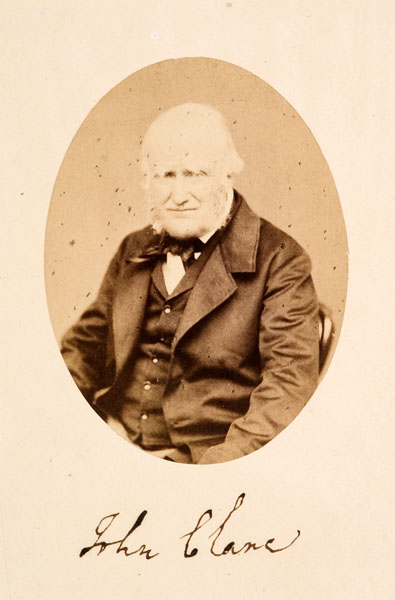
The music includes Trevor Hold's settings of John Clare, who loved the Lakeland poets. I find it moving that all our storytellers, from whoever it was who wrote Lord Randal to those who make their way to 21st-century literature festivals, have seen the same scenery, breathed much the same air. Looked into much the same faces.

Just before evensong, a quarter-peal was rung for Henry our new Priest-in-Charge, and we sang beautiful words about going from strength to strength, and about nesting birds finding protection on altars, and about "Through the hours in darkness shrouded Let me see thy face unclouded," as we called it a day.

(Ronald Blythe - Church Times [18th March 2005]) Posted by Hello

Approaching Night (I)


O take this world away from me;
Its strife I cannot bear to see,
Its very praises hurt me more
Than een its coldness did before,
Its hollow ways torment me now
And start a cold sweat on my brow,
Its noise I cannot bear to hear,
Its joy is trouble to my ear,
Its ways I cannot bear to see,
Its crowds are solitudes to me.
O, how I long to be agen
That poor and independent man,
With labour's lot from morn to night
And books to read at candle light;
That followed labour in the field
From light to dark when toil could yield
Real happiness with little gain,
Rich thoughtless health unknown to pain:
Though, leaning on my spade to rest,
I've thought how richer folks were blest
And knew not quiet was the best.
(tbc)
 Posted by Hello

Love and Solitude


I hate the very noise of troublous man
Who did and does me all the harm he can.
Free from the world I would a prisoner be
And my own shadow all my company;
And lonely see the shooting stars appear,
Worlds rushing into judgment all the year.
O lead me onward to the loneliest shade,
The darkest place that quiet ever made,
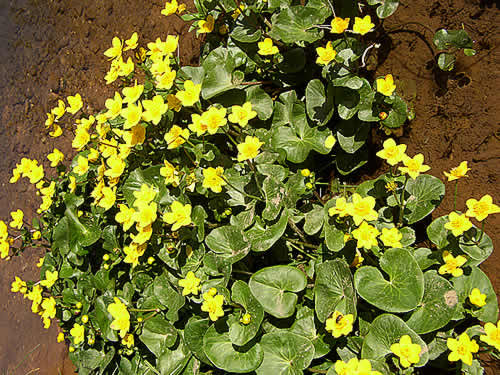
Where kingcups grow most beauteous to behold
And shut up green and open into gold.
Farewell to poesy--and leave the will;
Take all the world away--and leave me still
The mirth and music of a woman's voice,
That bids the heart be happy and rejoice.
 Posted by Hello

The Wood-cutter's Night Song


Welcome, red and roundy sun,
Dropping lowly in the west;
Now my hard day's work is done,
I'm as happy as the best.

Joyful are the thoughts of home,
Now I'm ready for my chair,
So, till morrow-morning's come,
Bill and mittens, lie ye there!

Though to leave your pretty song,
Little birds, it gives me pain,
Yet to-morrow is not long,
Then I'm with you all again.

If I stop, and stand about,
Well I know how things will be,
Judy will be looking out
Every now-and-then for me.

So fare ye well! and hold your tongues,
Sing no more until I come;
They're not worthy of your songs
That never care to drop a crumb.

All day long I love the oaks,
But, at nights, yon little cot,
Where I see the chimney smokes,
Is by far the prettiest spot.

Wife and children all are there,
To revive with pleasant looks,
Table ready set, and chair,
Supper hanging on the hooks.

Soon as ever I get in,
When my faggot down I fling,
Little prattlers they begin
Teasing me to talk and sing.

Welcome, red and roundy sun,
Dropping lowly in the west;
Now my hard day's work is done,
I'm as happy as the best.

Joyful are the thoughts of home,
Now I'm ready for my chair,
So, till morrow-morning's come,
Bill and mittens, lie ye there!
 Posted by Hello

The Sleep of Spring


O for that sweet, untroubled rest
That poets oft have sung!--
The babe upon its mother's breast,
The bird upon its young,
The heart asleep without a pain--
When shall I know that sleep again?

When shall I be as I have been
Upon my mother's breast
Sweet Nature's garb of verdant green
To woo to perfect rest--
Love in the meadow, field, and glen,
And in my native wilds again?

The sheep within the fallow field,
The herd upon the green,
The larks that in the thistle shield,
And pipe from morn to e'en--
O for the pasture, fields, and fen!
When shall I see such rest again?

I love the weeds along the fen,
More sweet than garden flowers,
For freedom haunts the humble glen
That blest my happiest hours.
Here prison injures health and me:
I love sweet freedom and the free.

The crows upon the swelling hills,
The cows upon the lea,
Sheep feeding by the pasture rills,
Are ever dear to me,
Because sweet freedom is their mate,
While I am lone and desolate.

I loved the winds when I was young,
When life was dear to me;
I loved the song which Nature sung,
Endearing liberty;
I loved the wood, the vale, the stream,
For there my boyhood used to dream.

There even toil itself was play;
Twas pleasure een to weep;
Twas joy to think of dreams by day,
The beautiful of sleep.
When shall I see the wood and plain,
And dream those happy dreams again?
 Posted by Hello

The Snowdrop


SWEET type of innocence, snow-clothed blossom,
Seemly, though vainly, bowing down to shun
The storm hard-beating on thy wan white bosom,
Left in the swail, and little cheer'd by sun;
Resembling that frail jewel, just begun
To ope on vice's eye its witcheries blooming,
Midst all its storms, with little room to shun -
Ah, thou art winter's snowdrop, lovely Woman!
In this world dropt, where every evil's glooming
With killing tempests o'er its tender prey,
Watching the opening of thy beauties coming,
Its every infant charm to snatch away:
Then come the sorrows thou'rt too weak to brave,
And then thy beauty-cheek digs ruin's early grave.

 Posted by Hello

The Crow

How peaceable it seems for lonely men
To see a crow fly in the thin blue sky
Over the woods and fealds, o'er level fen
It speaks of villages, or cottage nigh
Behind the neighbouring woods -- when March winds high
Tear off the branches of the huge old oak
I love to see these chimney sweeps sail by
And hear them o'er gnarled forest croak
Then sosh askew from the hid woodman's stroke
That in the woods their daily labours ply
I love the sooty crow nor would provoke
Its march day exercises of croaking joy
I love to see it sailing to and fro
While feelds, and woods, and waters spread below.

Schoolboys in Winter

The schoolboys still their morning ramble take
To neighboring village school with playing speed,
Loitering with passtime's leisure till they quake,
Oft looking up the wild-geese droves to heed,
Watching the letters which their journeys make;
Or plucking haws on which their fieldfares feed,
And hips and sloes; and on each shallow lake
Making glib slides, where they like shadows go
Till some fresh passtimes in their minds awake.
Then off they start anew and hasty blow
Their numbed and clumpsing fingers till they glow;
Then races with their shadows wildly run
That stride huge giants o'er the shining snow
In the pale splendour of the winter sun.

The "pale splendour of the winter sun" is even now shining through my study window. We are off to walk on Woodbury Common again (see previous entry)... and hope not to be too "numbed and clumpsing...". Incidentally, you can listen to a walk on the Common if you follow the BBC link: a treat!

Emmonsail's Heath in Winter

I love to see the old heath's withered brake
Mingle its crimpled leaves with furze and ling,
While the old heron from the lonely lake
Starts slow and flaps his melancholy wing,
And oddling crow in idle motions swing
On the half rotten ashtree's topmost twig,
Beside whose trunk the gipsy makes his bed.
Up flies the bouncing woodcock from the brig
Where a black quagmire quakes beneath the tread,
The fieldfares chatter in the whistling thorn
And for the awe round fields and closen rove,
And coy bumbarrels twenty in a drove
Flit down the hedgerows in the frozen plain
And hang on little twigs and start again.

Have a look at these three sites for a glimpse of Woodbury Common (see posting below)... just a few minutes up the road from our home... unchanged in centuries.

http://www.clintondevon.co.uk/the_commons/index.shtml

http://www.exmouth-guide.co.uk/woodb.htm

http://www.bbc.co.uk/devon/outdoors/walks/woodbury_common.shtml

The Winter's Spring

A Clare poem for this Siberian blast we are experiencing in the UK at present

The winter comes; I walk alone,
I want no bird to sing;
To those who keep their hearts their own
The winter is the spring.
No flowers to please--no bees to hum--
The coming spring's already come.

I never want the Christmas rose
To come before its time;
The seasons, each as God bestows,
Are simple and sublime.
I love to see the snowstorm hing;
'Tis but the winter garb of spring.

I never want the grass to bloom:
The snowstorm's best in white.
I love to see the tempest come
And love its piercing light.
The dazzled eyes that love to cling
O'er snow-white meadows sees the spring.

I love the snow, the crumpling snow
That hangs on everything,
It covers everything below
Like white dove's brooding wing,
A landscape to the aching sight,
A vast expanse of dazzling light.

It is the foliage of the woods
That winters bring--the dress,
White Easter of the year in bud,
That makes the winter Spring.
The frost and snow his posies bring,
Nature's white spurts of the spring.

Snow Storm

What a night! The wind howls, hisses, and but stops
To howl more loud, while the snow volley keeps
Incessant batter at the window pane,
Making our comfort feel as sweet again;
And in the morning, when the tempest drops,
At every cottage door mountainous heaps
Of snow lie drifted, that all entrance stops
Untill the beesom and the shovel gain
The path, and leave a wall on either side.
The shepherd rambling valleys white and wide
With new sensations his old memory fills,
When hedges left at night, no more descried,
Are turned to one white sweep of curving hills,
And trees turned bushes half their bodies hide.

The boy that goes to fodder with surprise
Walks oer the gate he opened yesternight.
The hedges all have vanished from his eyes;
Een some tree tops the sheep could reach to bite.
The novel scene emboldens new delight,
And, though with cautious steps his sports begin,
He bolder shuffles the huge hills of snow,
Till down he drops and plunges to the chin,
And struggles much and oft escape to win--
Then turns and laughs but dare not further go;
For deep the grass and bushes lie below,
Where little birds that soon at eve went in
With heads tucked in their wings now pine for day
And little feel boys oer their heads can stray.

Mary Bateman

My love she wears a cotton plaid,
A bonnet of the straw;
Her cheeks are leaves of roses spread,
Her lips are like the haw.
In truth she is as sweet a maid
As true love ever saw.

Her curls are ever in my eyes,
As nets by Cupid flung;
Her voice will oft my sleep surprise,
More sweet then ballad sung.
O Mary Bateman's curling hair!
I wake, and there is nothing there.

I wake, and fall asleep again,
The same delights in visions rise;
There's nothing can appear more plain
Than those rose cheeks and those bright eyes.
I wake again, and all alone
Sits Darkness on his ebon throne.

All silent runs the silver Trent,
The cobweb veils are all wet through,
A silver bead's on every bent,
On every leaf a bleb of dew.
I sighed, the moon it shone so clear;
Was Mary Bateman walking here?

Where she told her Love

I saw her crop a rose
Right early in the day,
And I went to kiss the place
Where she broke the rose away
And I saw the patten rings
Where she o'er the stile had gone,
And I love all other things
Her bright eyes look upon.
If she looks upon the hedge or up the leafing tree,
The whitethorn or the brown oak are made dearer things to me.

I have a pleasant hill
Which I sit upon for hours,
Where she cropt some sprigs of thyme
And other little flowers;
And she muttered as she did it
As does beauty in a dream,
And I loved her when she hid it
On her breast, so like to cream,
Near the brown mole on her neck that to me a diamond shone;
Then my eye was like to fire, and my heart was like to stone.

There is a small green place
Where cowslips early curled,
Which on Sabbath day I traced,
The dearest in the world.
A little oak spreads o'er it,
And throws a shadow round,
A green sward close before it,
The greenest ever found:
There is not a woodland nigh nor is there a green grove,
Yet stood the fair maid nigh me and told me all her love.

The ants

What wonder strikes the curious, while he views
The black ant's city, by a rotten tree,
Or woodland bank! In ignorance we muse:
Pausing, annoyed,--we know not what we see,
Such government and thought there seem to be;
Some looking on, and urging some to toil,
Dragging their loads of bent-stalks slavishly:
And what's more wonderful, when big loads foil
One ant or two to carry, quickly then
A swarm flock round to help their fellow-men.
Surely they speak a language whisperingly,
Too fine for us to hear; and sure their ways
Prove they have kings and laws, and that they be
Deformed remnants of the Fairy-days.

Now is Past

Now is past - the happy now
When we together roved
Beneath the wildwood's oak-tree bough
And Nature said we loved.
Winter's blast
The now since then has crept between,
And left us both apart.
Winters that withered all the green
Have froze the beating heart.
Now is past.

Now is past since last we met
Beneath the hazel bough;
Before the evening sun was set
Her shadow stretched below.
Autumn's blast
Has stained and blighted every bough;
Wild strawberries like her lips
Have left the mosses green below,
Her bloom's upon the hips.
Now is past.

Now is past, is changed agen,
The woods and fields are painted new.
Wild strawberries which both gathered then,
None know now where they grew.
The skys oercast.
Wood strawberries faded from wood sides,
Green leaves have all turned yellow;
No Adelaide walks the wood rides,
True love has no bed-fellow.
Now is past.

Song

Mary, leave thy lowly cot
When thy thickest jobs are done;
When thy friends will miss thee not,
Mary, to the pastures run.
Where we met the other night
Neath the bush upon the plain,
Be it dark or be it light,
Ye may guess we'll meet again.

Should ye go or should ye not,
Never shilly-shally, dear.
Leave your work and leave your cot,
Nothing need ye doubt or fear:
Fools may tell ye lies in spite,
Calling me a roving swain;
Think what passed the other night--
I'll be bound ye'll meet again.

Sorrow for a favourite tabby cat, who left this scene of troubles, Friday Night, Nov. 26, 1819

Let brutish hearts, as hard as stones,
Mock The weak Muse's tender moans,
As now she wails o'er Titty's bones
With anguish deep;
Doubtless o'er parent's dying groans
They'd little weep.

Ah, Pity! thine's a tender heart,
Thy sigh soon heaves, thy tears soon start;
And thou hast given the muse her part
Salt tears to shed,
To mourn and sigh with sorrow's smart;
For pussy's dead.

Ah, mourning Memory! 'neath thy pall
Thou utterest many a piercing call,
Pickling in vinegar's sour gall
Ways that are fled -
The way, the feats, the tricks, and all,
Of pussy dead.

Thou tell'st of all the gamesome plays
That mark'd her happy kitten-days:
-Ah, I did love her funny way
On the sand floor;
But now sad sorrow damps my lays:
Pussy's no more.

Thou paint'st her flirting round and round,
As she was wont, with things she'd found,
Chasing the spider o'er the ground,
Straws pushing on;
Thou paint'st them on a bosom-wound:
Poor pussy's gone.

Ah mice, rejoice! ye've lost your foe,
Who watch'd your scheming robberies so,
That while she liv'd twa'n't yours to know
A crumb of bread;
'Tis yours to triumph, mine's the woe,
Now pussy's dead.

While pussy liv'd ye'd empty maws;
No sooner peep'd ye out your nose,
But ye were instant in her claws
With squeakings dread:
Ye're now set free from tyrant-laws;
Poor pussy's dead.

Left freely here to prowl at night,
To wake me, like some squeaking sprite,
There's nothing now but ye dare bite,
Your terror's fled;
Put up I must with all your spite,
Poor pussy's dead.

But if "wide nicks" ye mean to run,
To scoop my barley crust in fun,
And drop your tails on't when ye've done,
Beware your head;
Or ye'll find what ye'd wish to shun,
Though pussy's dead.

As sure's you're born within your clothes,
If puss can't nab ye by the nose,
I'll find a scheme ye'd ill-suppose
To save my bread;
Ye may'nt too much infringe the laws,
If pussy's dead.

So don't ye drive your jokes too far,
Ye cupboard-plunderers as ye are;
For while I've sixpence left to spare,
And traps are had,
I'll make among ye dreadful war,
Though pussy's dead.

And now, poor puss! thou'st lost thy breath,
And decent laid the molds beneath,
As ere a cat could wish in death
For her last bed;
This to thy memory I bequeath,
Poor pussy dead!

Young Lambs

The spring is coming by a many signs;
The trays are up, the hedges broken down,
That fenced the haystack, and the remnant shines
Like some old antique fragment weathered brown.
And where suns peep, in every sheltered place,
The little early buttercups unfold
A glittering star or two—till many trace
The edges of the blackthorn clumps in gold.
And then a little lamb bolts up behind
The hill and wags his tail to meet the yoe,
And then another, sheltered from the wind,
Lies all his length as dead—and lets me go
Close bye and never stirs but baking lies,
With legs stretched out as though he could not rise.


From 'January'

"... unperceived, through key-holes creep,
When all around have sunk to sleep,
To feast on what the cotter leaves,--
Mice are not reckoned greater thieves.
They take away, as well as eat,
And still the housewife's eye they cheat,
In spite of all the folks that swarm
In cottage small and larger farm;
They through each key-hole pop and pop,
Like wasps into a grocer's shop,
With all the things that they can win
From chance to put their plunder in;--
As shells of walnuts, split in two
By crows, who with the kernels flew;
Or acorn-cups, by stock-doves plucked,
Or egg-shells by a cuckoo sucked;
With broad leaves of the sycamore
They clothe their stolen dainties oer:
And when in cellar they regale,
Bring hazel-nuts to hold their ale;
With bung-holes bored by squirrels well,
To get the kernel from the shell;
Or maggots a way out to win,
When all is gone that grew within;
And be the key-holes eer so high,
Rush poles a ladder's help supply.
Where soft the climbers fearless tread,
On spindles made of spiders' thread.
And foul, or fair, or dark the night,
Their wild-fire lamps are burning bright:
For which full many a daring crime
Is acted in the summer-time..."

The Firwood

The fir trees taper into twigs and wear
The rich blue green of summer all the year,
Softening the roughest tempest almost calm
And offering shelter ever still and warm
To the small path that towels underneath,
Where loudest winds--almost as summer's breath--
Scarce fan the weed that lingers green below
When others out of doors are lost in frost and snow.
And sweet the music trembles on the ear
As the wind suthers through each tiny spear,
Makeshifts for leaves; and yet, so rich they show,
Winter is almost summer where they grow.

Messengers

The evening primrose is of course a late summer flower... but here we have Clare speaking of the first signs of Spring, and the primrose that I can see from my study across the garden, with its Devon banks and warm corners:

Where slanting banks are always with the sun
The daisy is in blossom even now;
And where warm patches by the hedges run
The cottager when coming home from plough
Brings home a cowslip root in flower to set.
Thus ere the Christmas goes the spring is met
Setting up little tents about the fields
In sheltered spots — Primroses when they get
Behind the wood's old roots, where ivy shields
Their crimpled, curdled leaves, will shine and hide.
Cart ruts and horses' footings scarcely yield
A slur for boys, just crizzled and that's all.
Frost shoots his needles by the small dyke side,
And snow in scarce a feather's seen to fall.

After posting this lovely poem, I came across Ronald Blythe's words in his weekly country diary "Word from Wormingford" for 21st January:

"Gulls, scores of them, take greedy flight over a bit of ploughing. Clumps of snowdrops reveal their presence in my woodland, white-tipped needles in the leaf mulch. And then that midwinter yet, at the same time, near-spring rustle of blackbirds kicking around in dry leaves, and the jewel-like glimpse of their shining eyes beneath the shrubs"

Evening Primrose

With the first primroses showing their faces across the garden,
and signs of spring everywhere, one of Clare's little gems:

When once the sun sinks in the west,
And dew-drops pearl the evening's breast;
Almost as pale as moonbeams are,
Or its companionable star,
The evening primrose opes anew
Its delicate blossoms to the dew;
And, shunning-hermit of the light,
Wastes its fair bloom upon the night;
Who, blindfold to its fond caresses,
Knows not the beauty he possesses.
Thus it blooms on till night is bye
And day looks out with open eye,
Abashed at the gaze it cannot shun,
It faints and withers, and is done.

The Invitation

Come hither, my dear one, my choice one, and rare one,
And let us be walking the meadows so fair,
Where on pilewort and daisies the eye fondly gazes,
And the wind plays so sweet in thy bonny brown hair.

Come with thy maiden eye, lay silks and satins by;
Come in thy russet or grey cotton gown;
Come to the meads, dear, where flags, sedge, and reeds appear,
Rustling to soft winds and bowing low down.

Come with thy parted hair, bright eyes, and forehead bare;
Come to the whitethorn that grows in the lane;
To banks of primroses, where sweetness reposes,
Come, love, and let us be happy again.

Come where the violet flowers, come where the morning showers
Pearl on the primrose and speedwell so blue;
Come to that clearest brook that ever runs round the nook
Where you and I pledged our first love so true.

Winter Walk

The holly bush, a sober lump of green,
Shines through the leafless shrubs all brown and grey,
And smiles at winter be it eer so keen
With all the leafy luxury of May.
And O it is delicious, when the day
In winter's loaded garment keenly blows
And turns her back on sudden falling snows,
To go where gravel pathways creep between
Arches of evergreen that scarce let through
A single feather of the driving storm;
And in the bitterest day that ever blew
The walk will find some places still and warm
Where dead leaves rustle sweet and give alarm
To little birds that flirt and start away.

A World for Love

Oh, the world is all too rude for thee, with much ado and care;
Oh, this world is but a rude world, and hurts a thing so fair;
Was there a nook in which the world had never been to sear,
That place would prove a paradise when thou and Love were near.

And there to pluck the blackberry, and there to reach the sloe,
How joyously and happily would Love thy partner go;
Then rest when weary on a bank, where not a grassy blade
Had eer been bent by Trouble's feet, and Love thy pillow made.

For Summer would be ever green, though sloes were in their prime,
And Winter smile his frowns to Spring, in beauty's happy clime;
And months would come, and months would go, and all in sunny mood,
And everything inspired by thee grow beautifully good.

And there to make a cot unknown to any care and pain,
And there to shut the door alone on singing wind and rain--
Far, far away from all the world, more rude than rain or wind,
Oh, who could wish a sweeter home, or better place to find?

Than thus to love and live with thee, thou beautiful delight!
Than thus to live and love with thee the summer day and night!
The Earth itself, where thou hadst rest, would surely smile to see
Herself grow Eden once again, possest of Love and thee.

From "January"

Supper removed, the mother sits,
And tells her tales by starts and fits.
Not willing to lose time or toil,
She knits or sews, and talks the while
Something, that may be warnings found
To the young listeners gaping round--
Of boys who in her early day
Strolled to the meadow-lake to play,
Where willows, oer the bank inclined
Sheltered the water from the wind,
And left it scarcely crizzled oer--
When one sank in, to rise no more!
And how, upon a market-night,
When not a star bestowed its light,
A farmer's shepherd, oer his glass,
Forgot that he had woods to pass:
And having sold his master's sheep,
Was overta'en by darkness deep.
How, coming with his startled horse,
To where two roads a hollow cross;
Where, lone guide when a stranger strays,
A white post points four different ways,
Beside the woodride's lonely gate
A murdering robber lay in wait.
The frightened horse, with broken rein,
Stood at the stable-door again;
But none came home to fill his rack,
Or take the saddle from his back;
The saddle--it was all he bore--
The man was seen alive no more!

Spring's Messengers

Here in East Devon we had the first 'heavy' snowfall for 5 years today, but still the spring bulbs are showing, the witch-hazel in full bloom, and our pink rhododendron in bloom too. Made me think of John Clare's 'Spring Messengers':

Where slanting banks are always with the sun
The daisy is in blossom even now;
And where warm patches by the hedges run
The cottager when coming home from plough
Brings home a cowslip root in flower to set.
Thus ere the Christmas goes the spring is met
Setting up little tents about the fields
In sheltered spots.--Primroses when they get
Behind the wood's old roots, where ivy shields
Their crimpled, curdled leaves, will shine and hide.
Cart ruts and horses' footings scarcely yield
A slur for boys, just crizzled and that's all.
Frost shoots his needles by the small dyke side,
And snow in scarce a feather's seen to fall.

The Cross Roads; or, The Haymaker's Story (Final)

And now I've done, ye're each at once as free
To take your trundle as ye used to be;
To take right ways, as Jenny should have ta'en,
Or headlong run, and be a second Jane;
For by one thoughtless girl that's acted ill
A thousand may be guided if they will:
As oft mong folks to labour bustling on,
We mark the foremost kick against a stone,
Or stumble oer a stile he meant to climb,
While hind ones see and shun the fall in time.
But ye, I will be bound, like far the best
Love's tickling nick-nacks and the laughing jest,
And ten times sooner than be warned by me,
Would each be sitting on some fellow's knee,
Sooner believe the lies wild chaps will tell
Than old dames' cautions, who would wish ye well:
So have your wills."--She pinched her box again,
And ceased her tale, and listened to the rain,
Which still as usual pattered fast around,
And bowed the bent-head loaded to the ground;
While larks, their naked nest by force forsook,
Pruned their wet wings in bushes by the brook.

The maids, impatient now old Goody ceased,
As restless children from the school released,
Right gladly proving, what she'd just foretold,
That young ones' stories were preferred to old,
Turn to the whisperings of their former joy,
That oft deceive, but very rarely cloy.

The Cross Roads; or, The Haymaker's Story (IX)

But, Lord protect us! time such change does bring,
We cannot dream what oer our heads may hing;
The very house she lived in, stick and stone,
Since Goody died, has tumbled down and gone:
And where the marjoram once, and sage, and rue,
And balm, and mint, with curled-leaf parsley grew,
And double marygolds, and silver thyme,
And pumpkins neath the window used to climb;
And where I often when a child for hours
Tried through the pales to get the tempting flowers,
As lady's laces, everlasting peas,
True-love-lies-bleeding, with the hearts-at-ease,
And golden rods, and tansy running high
That oer the pale-tops smiled on passers-by,
Flowers in my time that every one would praise,
Though thrown like weeds from gardens nowadays;
Where these all grew, now henbane stinks and spreads,
And docks and thistles shake their seedy heads,
And yearly keep with nettles smothering oer;--
The house, the dame, the garden known no more:
While, neighbouring nigh, one lonely elder-tree
Is all that's left of what had used to be,
Marking the place, and bringing up with tears
The recollections of one's younger years.

The Cross Roads; or, The Haymaker's Story (VIII)

But now she's gone:--girls, shun deceitful men,
The worst of stumbles ye can fall agen;
Be deaf to them, and then, as twere, ye'll see
Your pleasures safe as under lock and key.
Throw not my words away, as many do;
They're gold in value, though they're cheap to you.
And husseys hearken, and be warned from this,
If ye love mothers, never do amiss:
Jane might love hers, but she forsook the plan
To make her happy, when she thought of man.
Poor tottering dame, it was too plainly known,
Her daughter's dying hastened on her own,
For from the day the tidings reached her door
She took to bed and looked up no more,
And, ere again another year came round,
She, well as Jane, was laid within the ground;
And all were grieved poor Goody's end to see:
No better neighbour entered house than she,
A harmless soul, with no abusive tongue,
Trig as new pins, and tight's the day was long;
And go the week about, nine times in ten
Ye'd find her house as cleanly as her sen.

The Cross Roads; or, The Haymaker's Story (VII)

A melancholy story, far too true;
And soon the village to the pasture flew,
Where, from the deepest hole the pond about,
They dragged poor Jenny's lifeless body out,
And took her home, where scarce an hour gone by
She had been living like to you and I.
I went with more, and kissed her for the last,
And thought with tears on pleasures that were past;
And, the last kindness left me then to do,
I went, at milking, where the blossoms grew,
And handfuls got of rose and lambtoe sweet,
And put them with her in her winding-sheet.
A wilful murder, jury made the crime;
Nor parson 'lowed to pray, nor bell to chime;
On the cross roads, far from her friends and kin,
The usual law for their ungodly sin
Who violent hands upon themselves have laid,
Poor Jane's last bed unchristian-like was made;
And there, like all whose last thoughts turn to heaven,
She sleeps, and doubtless hoped to be forgiven.
But, though I say't, for maids thus veigled in
I think the wicked men deserve the sin;
And sure enough we all at last shall see
The treachery punished as it ought to be.
For ere his wickedness pretended love,
Jane, I'll be bound, was spotless as the dove,
And's good a servant, still old folks allow,
As ever scoured a pail or milked a cow;
And ere he led her into ruin's way,
As gay and buxom as a summer's day:
The birds that ranted in the hedge-row boughs,
As night and morning we have sought our cows,
With yokes and buckets as she bounced along,
Were often deafed to silence with her song.

The Cross Roads; or, The Haymaker's Story (VI)

"So, as I said, next morn I heard the bell,
And passing neighbours crossed the street, to tell
That my poor partner Jenny had been found
In the old flag-pool, on the pasture, drowned.
God knows my heart! I twittered like a leaf,
And found too late the cause of Sunday's grief;
For every tongue was loosed to gabble oer
The slanderous things that secret passed before:
With truth or lies they need not then be strict,
The one they railed at could not contradict.
Twas now no secret of her being beguiled,
For every mouth knew Jenny died with child;
And though more cautious with a living name,
Each more than guessed her master bore the blame.
That very morning, it affects me still,
Ye know the foot-path sidles down the hill,
Ignorant as babe unborn I passed the pond
To milk as usual in our close beyond,
And cows were drinking at the water's edge,
And horses browsed among the flags and sedge,
And gnats and midges danced the water oer,
Just as I've marked them scores of times before,
And birds sat singing, as in mornings gone,--
While I as unconcerned went soodling on,
But little dreaming, as the wakening wind
Flapped the broad ash-leaves oer the pond reclin'd,
And oer the water crinked the curdled wave,
That Jane was sleeping in her watery grave.
The neatherd boy that used to tend the cows,
While getting whip-sticks from the dangling boughs
Of osiers drooping by the water-side,
Her bonnet floating on the top espied;
He knew it well, and hastened fearful down
To take the terror of his fears to town,--

The Cross Roads; or, The Haymaker's Story (V)

The cowslip blossom, with its ruddy streak,
Would tempt her furlongs from the path to seek;
And gay long purple, with its tufty spike,
She'd wade oer shoes to reach it in the dyke;
And oft, while scratching through the briary woods
For tempting cuckoo-flowers and violet buds,
Poor Jane, I've known her crying sneak to town,
Fearing her mother, when she'd torn her gown.
Ah, these were days her conscience viewed with pain,
Which all are loth to lose, as well as Jane.
And, what I took more odd than all the rest,
Was, that same night she neer a wish exprest
To see the gipsies, so beloved before,
That lay a stone's throw from us on the moor:
I hinted it; she just replied again--
She once believed them, but had doubts since then.
And when we sought our cows, I called, "Come mull!"
But she stood silent, for her heart was full.
She loved dumb things: and ere she had begun
To milk, caressed them more than eer she'd done;
But though her tears stood watering in her eye,
I little took it as her last good-bye;
For she was tender, and I've often known
Her mourn when beetles have been trampled on:
So I neer dreamed from this, what soon befell,
Till the next morning rang her passing-bell.
My story's long, but time's in plenty yet,
Since the black clouds betoken nought but wet;
And I'll een snatch a minute's breath or two,
And take another pinch, to help me through.

The Cross Roads; or, The Haymaker's Story (IV)

Poor thoughtless wench! it seems but Sunday past
Since we went out together for the last,
And plain enough indeed it was to find
She'd something more than common on her mind;
For she was always fond and full of chat,
In passing harmless jokes bout beaus and that,
But nothing then was scarcely talked about,
And what there was, I even forced it out.
A gloomy wanness spoiled her rosy cheek,
And doubts hung there it was not mine to seek;
She neer so much as mentioned things to come,
But sighed oer pleasures ere she left her home;
And now and then a mournful smile would raise
At freaks repeated of our younger days,
Which I brought up, while passing spots of ground
Where we, when children, "hurly-burlied" round,
Or "blindman-buffed" some morts of hours away--
Two games, poor thing, Jane dearly loved to play.
She smiled at these, but shook her head and sighed
When eer she thought my look was turned aside;
Nor turned she round, as was her former way,
To praise the thorn, white over then with May;
Nor stooped once, though thousands round her grew,
To pull a cowslip as she used to do:
For Jane in flowers delighted from a child--
I like the garden, but she loved the wild--
And oft on Sundays young men's gifts declined,
Posies from gardens of the sweetest kind,
And eager scrambled the dog-rose to get,
And woodbine-flowers at every bush she met.

The Cross Roads; or, The Haymaker's Story (III)

So out we went:--Jane's place was reckoned good,
Though she bout life but little understood,
And had a master wild as wild can be,
And far unfit for such a child as she;
And soon the whisper went about the town,
That Jane's good looks procured her many a gown
From him, whose promise was to every one,
But whose intention was to wive with none.
Twas nought to wonder, though begun by guess;
For Jane was lovely in her Sunday dress,
And all expected such a rosy face
Would be her ruin--as was just the case.
The while the change was easily perceived,
Some months went by, ere I the tales believed;
For there are people nowadays, Lord knows,
Will sooner hatch up lies than mend their clothes;
And when with such-like tattle they begin,
Don't mind whose character they spoil a pin:
But passing neighbours often marked them smile,
And watched him take her milkpail oer a stile;
And many a time, as wandering closer by,
From Jenny's bosom met a heavy sigh;
And often marked her, as discoursing deep,
When doubts might rise to give just cause to weep,
Smothering their notice, by a wished disguise
To slive her apron corner to her eyes.
Such signs were mournful and alarming things,
And far more weighty than conjecture brings;
Though foes made double what they heard of all,
Swore lies as proofs, and prophesied her fall.

The Cross Roads; or, The Haymaker's Story (III)

So out we went:--Jane's place was reckoned good,
Though she bout life but little understood,
And had a master wild as wild can be,
And far unfit for such a child as she;
And soon the whisper went about the town,
That Jane's good looks procured her many a gown
From him, whose promise was to every one,
But whose intention was to wive with none.
Twas nought to wonder, though begun by guess;
For Jane was lovely in her Sunday dress,
And all expected such a rosy face
Would be her ruin--as was just the case.
The while the change was easily perceived,
Some months went by, ere I the tales believed;
For there are people nowadays, Lord knows,
Will sooner hatch up lies than mend their clothes;
And when with such-like tattle they begin,
Don't mind whose character they spoil a pin:
But passing neighbours often marked them smile,
And watched him take her milkpail oer a stile;
And many a time, as wandering closer by,
From Jenny's bosom met a heavy sigh;
And often marked her, as discoursing deep,
When doubts might rise to give just cause to weep,
Smothering their notice, by a wished disguise
To slive her apron corner to her eyes.
Such signs were mournful and alarming things,
And far more weighty than conjecture brings;
Though foes made double what they heard of all,
Swore lies as proofs, and prophesied her fall.

The Cross Roads; or, The Haymaker's Story (II)

“Now wenches listen, and let lovers lie,
Ye'll hear a story ye may profit by;
I'm your age treble, with some oddments to't,
And right from wrong can tell, if ye'll but do't:
Ye need not giggle underneath your hat,
Mine's no joke-matter, let me tell you that;
So keep ye quiet till my story's told,
And don't despise your betters cause they're old.”

“That grave ye've heard of, where the four roads meet,
Where walks the spirit in a winding-sheet,
Oft seen at night, by strangers passing late,
And tarrying neighbours that at market wait,
Stalking along as white as driven snow,
And long as one's shadow when the sun is low;
The girl that's buried there I knew her well,
And her whole history, if ye'll hark, can tell.
Her name was Jane, and neighbour's children we,
And old companions once, as ye may be;
And like to you, on Sundays often strolled
To gipsies' camps to have our fortunes told;
And oft, God rest her, in the fortune-book
Which we at hay-time in our pockets took,
Our pins at blindfold on the wheel we stuck,
When hers would always prick the worst of luck;
For try, poor thing, as often as she might,
Her point would always on the blank alight;
Which plainly shows the fortune one's to have,
As such like go unwedded to the grave,--
And so it proved.--The next succeeding May,
We both to service went from sports and play,
Though in the village still; as friends and kin
Thought neighbour's service better to begin.

The Cross Roads; or, The Haymaker's Story (I)

Stopt by the storm, that long in sullen black
From the south-west stained its encroaching track,
Haymakers, hustling from the rain to hide,
Sought the grey willows by the pasture-side;
And there, while big drops bow the grassy stems,
And bleb the withering hay with pearly gems,
Dimple the brook, and patter in the leaves,
The song or tale an hour's restraint relieves.
And while the old dames gossip at their ease,
And pinch the snuff-box empty by degrees,
The young ones join in love's delightful themes,
Truths told by gipsies, and expounded dreams;
And mutter things kept secrets from the rest,
As sweethearts' names, and whom they love the best;
And dazzling ribbons they delight to show,
And last new favours of some veigling beau,
Who with such treachery tries their hearts to move,
And, like the highest, bribes the maidens' love.
The old dames, jealous of their whispered praise,
Throw in their hints of man's deluding ways;
And one, to give her counsels more effect,
And by example illustrate the fact
Of innocence oercome by flattering man,
Thrice tapped her box, and pinched, and thus began.

The Tramp

He eats (a moment's stoppage to his song)
The stolen turnip as he goes along;
And hops along and heeds with careless eye
The passing crowded stage coach reeling bye.
He talks to none but wends his silent way,
And finds a hovel at the close of day,
Or under any hedge his house is made.
He has no calling and he owns no trade.
An old smoaked blanket arches oer his head,
A whisp of straw or stubble makes his bed.
He knows a lawless law that claims no kin
But meet and plunder on and feel no sin—
No matter where they go or where they dwell
They dally with the winds and laugh at hell.


And yet another "Autumn" poem:

The thistle-down's flying, though the winds are all still,
On the green grass now lying, now mounting the hill,
The spring from the fountain now boils like a pot;
Through stones past the counting it bubbles red hot.

The ground parched and cracked is like overbaked bread,
The greensward all wracked is, bents dried up and dead.
The fallow fields glitter like water indeed,
And gossamers twitter, flung from weed unto weed.

Hill tops like hot iron glitter bright in the sun,
And the rivers we're eying burn to gold as they run;
Burning hot is the ground, liquid gold is the air;
Whoever looks round sees Eternity there.

The Shepherd's Calendar

November

The village sleeps in mist from morn till noon
And if the sun wades thro tis wi a face
Beamless and pale and round as if the moon
When done the journey of its nightly race
Had found him sleeping and supplyd his place
For days the shepherds in the fields may be
Nor mark a patch of sky-blindfold they trace
The plains that seem wi out a bush or tree
Whistling aloud by guess to flocks they cannot see

The timid hare seems half its fears to loose
Crouching and sleeping neath its grassy
And scarely startles tho the shepherd goes
Close by its home and dogs are barking there
The wild colt only turns around to stare
At passers bye then naps his hide again
And moody crows beside the road forbeer
To flye tho pelted by the passing swain
Thus day seems turned to night and trys to wake in vain

The Owlet leaves her hiding place at noon
And flaps her grey wings in the doubting light
The hoarse jay screams to see her out so soon
And small birds chirp and startle with affright
Much doth it scare the superstitious white
Who dreams of sorry luck and sore dismay
While cow boys think the day a dream of night
And oft grow fearful on their lonly way
Who fancy ghosts may wake and leave their graves byday

Sabbath Walks

Upon the sabbath, sweet it is to walk
'Neath wood-side shelter of oak's spreading tree,
Or by a hedge-row track, or padded balk;
Or stretch 'neath willows on the meadow lea,
List'ning, delighted, hum of passing bee,
And curious pausing on the blossom's head;
And mark the spider at his labour free,
Spinning from bent to bent his silken thread;
And lab'ring ants, by careful nature led
To make the most of summer's plenteous stay;
And lady-cow, beneath its leafy shed,
Call'd, when I mix'd with children, "clock-a-clay,"
Pruning its red wings on its pleasing bed,
Glad like myself to shun the heat of day.

The Maid of Ocram (Final)

He sought her east, he sought her west,
He sought through park and plain;
He sought her where she might have been
But found her not again.
I cannot curse thee, mother,
Though thine's the blame, said he
I cannot curse thee, mother,
Though thou'st done worse to me.
Yet do I curse thy pride that aye
So tauntingly aspires;
For my love was a gay knight's heir,
And my father was a squire's.

And I will sell my park and hall;
And if ye wed again
Ye shall not wed for titles twice
That made ye once so vain.
So if ye will wed, wed for love,
As I was fain to do;
Ye've gave to me a broken heart,
And I'll give nought to you.

Your pride has wronged your own heart's blood;
For she was mine by grace,
And now my lady love is gone
None else shall take her place.
I'll sell my park and sell my hall
And sink my titles too.
Your pride's done wrong enough as now
To leave it more to do.

She owneth none that owned them all
And would have graced them well;
None else shall take the right she missed
Nor in my bosom dwell.--
And then he took and burnt his will
Before his mother's face,
And tore his patents all in two,
While tears fell down apace--
But in his mother's haughty look
Ye nought but frowns might trace.

And then he sat him down to grieve,
But could not sit for pain.
And then he laid him on the bed
And ne'er got up again.

The Maid of Ocram (IV)

And must none close my dying feet,
And must none close my hands,
And will none do the last kind deeds
That death for all demands?—
Your sister, she may close your feet,
Your brother close your hands,
Your mother, she may wrap your waist
In death's fit wedding bands;
Your father, he may tie your locks
And lay you in the sands.—

My sister, she will weep in vain,
My brother ride and run,
My mother, she will break her heart;
And ere the rising sun
My father will be looking out—
But find me they will none.
I go to lay my woes to rest,
None shall know where I'm gone.
God must be friend and father both,
Lord Gregory will be none.—

Lord Gregory started up from sleep
And thought he heard a voice
That screamed full dreadful in his ear,
And once and twice and thrice.
Lord Gregory to his mother called:
O mother dear, said he,
I've dreamt the Maid of Ocram
Was floating on the sea.

Lie still, my son, the mother said,
Tis but a little space
And half an hour has scarcely passed
Since she did pass this place.—
O cruel, cruel mother,
When she did pass so nigh
How could you let me sleep so sound
Or let her wander bye?
Now if she's lost my heart must break—
I'll seek her till I die.

The Maid of Ocram (III)

O ask me no more tokens
For fast the snow doth fall.
Tis sad to strive and speak in vain,
You mean to break them all.--
If you are the Maid of Ocram,
As I take you not to be,
You must mention the third token
That passed with you and me.--

Twas when you stole my maidenhead;
That grieves me worst of all.--
Begone, you lying creature, then
This instant from my hall,
Or you and your vile baby
Shall in the deep sea fall;
For I have none on earth as yet
That may me father call.--

O must none close my dying feet,
And must none close my hands,
And may none bind my yellow locks
As death for all demands?
You need not use no force at all,
Your hard heart breaks the vow;
You've had your wish against my will
And you shall have it now.

The Maid of Ocram (II)

O pause not thus, you know me well,
Haste down my way to win.
The wind disturbs my yellow locks,
The snow sleeps on my skin.—
If you be the Maid of Ocram,
As much I doubt you be,
Then tell me of three tokens
That passed with you and me.—

O talk not now of tokens
Which you do wish to break;
Chilled are those lips you've kissed so warm,
And all too numbed to speak.
You know when in my father's bower
You left your cloak for mine,
Though yours was nought but silver twist
And mine the golden twine.—

If you're the lass of Ocram,
As I take you not to be,
The second token you must tell
Which past with you and me.—
O know you not, O know you not
Twas in my father's park,
You led me out a mile too far
And courted in the dark?

When you did change your ring for mine
My yielding heart to win,
Though mine was of the beaten gold
Yours but of burnished tin,
Though mine was all true love without,
Yours but false love within?


The Maid Of Ocram or, Lord Gregory

Over the next week a longer narrative poem from Clare's
early work, "The Maid of Ocram or, Lord Gregory"

Gay was the Maid of Ocram
As lady eer might be
Ere she did venture past a maid
To love Lord Gregory.
Fair was the Maid of Ocram
And shining like the sun
Ere her bower key was turned on two
Where bride bed lay for none.

And late at night she sought her love--
The snow slept on her skin--
Get up, she cried, thou false young man,
And let thy true love in.
And fain would he have loosed the key
All for his true love's sake,
But Lord Gregory then was fast asleep,
His mother wide awake.

And up she threw the window sash,
And out her head put she:
And who is that which knocks so late
And taunts so loud to me?
It is the Maid of Ocram,
Your own heart's next akin;
For so you've sworn, Lord Gregory,
To come and let me in.

Mary Bayfield

How beautiful the summer night
When birds roost on the mossy tree,
When moon and stars are shining bright
And home has gone the weary bee!
Then Mary Bayfield seeks the glen,
The white hawthorn and grey oak tree,
And nought but heaven can tell me then
How dear thy beauty is to me.

Dear is the dewdrop to the flower,
The old wall to the weary bee,
And silence to the evening hour,
And ivy to the stooping tree.
Dearer than these, than all beside,
Than blossoms to the moss-rose tree,
The maid who wanders by my side--
Sweet Mary Bayfield is to me.

Sweet is the moonlight on the tree,
The stars above the glassy lake,
That from the bottom look at me
Through shadows of the crimping brake.
Such are sweet things--but sweeter still
Than these and all beside I see
The maid whose look my heart can thrill,
My Mary Bayfield's look to me.

O Mary with the dark brown hair,
The rosy cheek, the beaming eye,
I would thy shade were ever near;
Then would I never grieve or sigh.
I love thee, Mary dearly love--
There's nought so fair on earth I see,
There's nought so dear in heaven above,
As Mary Bayfield is to me.

To an Angry Bee

Malicious insect, little vengeful bee,
With venom-sting thou'rt whirling round and round
A harmless head that ne'er meant wrong to thee,
And friendship's hand it is thou'dst wish to wound:
Cool thy revenge, and judge thy foes aright;
The harden'd neatherd and the sweet-tooth'd boy -
Thy moss-wrapp'd treasures, if but in their sight,
Soon would they all thy honey'd lives destroy:
But delve the cowslip-peep in labour free,
And dread no pilferer of thy hoards in me. -
Thus man to man oft takes a friend for foe,
And spurns a blessing when its in his power,
Mistakes real happiness for worldly woe,
Crops sorrow's weed, and treads on pleasure's flower.

Autumn

And yet another of Clare's 'autumn' poems:

The thistle-down's flying, though the winds are all still,
On the green grass now lying, now mounting the hill,
The spring from the fountain now boils like a pot;
Through stones past the counting it bubbles red hot.

The ground parched and cracked is like overbaked bread,
The greensward all wracked is, bents dried up and dead.
The fallow fields glitter like water indeed,
And gossamers twitter, flung from weed unto weed.

Hill tops like hot iron glitter bright in the sun,
And the rivers we're eying burn to gold as they run;
Burning hot is the ground, liquid gold is the air;
Whoever looks round sees Eternity there.

Autumn

... another of John's Autumn poems:

Autumn comes laden with her ripened load
Of fruitage and so scatters them abroad
That each fern-smothered heath and mole-hill waste
Are black with bramble berries--where in haste
The chubby urchins from the village hie
To feast them there, stained with the purple dye;
While painted woods around my rambles be
In draperies worthy of eternity.
Yet will the leaves soon patter on the ground,
And death's deaf voice awake at every sound:
One drops--then others--and the last that fell
Rings for those left behind their passing bell.
Thus memory every where her tidings brings
How sad death robs us of life's dearest things.


Excerpt from "The Village Minstrel"

Swamps of wild rush-beds and sloughs' squashy traces,
Grounds of rough fallows with thistle and weed.
Flats and low valleys of kingcups and daisies,
Sweetest of subjects are ye for my reed:
Ye commons left free in the rude rags of nature,
Ye brown heaths beclothed in furze as ye be,
My wild eye in rapture adores every feature,
Ye are dear as this heart in my bosom to me.

O native endearments! I would not forsake ye,
I would not forsake ye for sweetest of scenes:
For sweetest of gardens that Nature could make me
I would not forsake ye, dear valleys and greens:
Though Nature ne'er dropped ye a cloud-resting mountain,
Nor waterfalls tumble their music so free,
Had Nature denied ye a bush, tree, or fountain,
Ye still had been loved as an Eden by me.

A Confession of Faith

My creed may be different from other creeds, but the difference is nothing when the end is the same. If I did not expect and hope for eternal happiness I should be ever miserable; and as every religion is a rule leading to good by its professor, the religions of all nations and creeds, where that end is the aim, ought rather to be respected than scoffed at. A final judgment of men by their deeds and actions in life is inevitable, and the only difference between an earthly assize and the eternal one is, that the final one needs no counsellors to paint the bad or good better or worse than they are. The Judge knows the hearts of all men, and the sentence may be expected to be just as well as final, whether it be for the worst or the best. This ought to teach us to pause and think, and try to lead our lives as well as we can.

John Clare - Prose Fragments

Song

One gloomy eve I roamed about
Neath Oxey's hazel bowers,
While timid hares were darting out,
To crop the dewy flowers;
And soothing was the scene to me,
Right pleased was my soul,
My breast was calm as summer's sea
When waves forget to roll.

But short was even's placid smile,
My startled soul to charm,
When Nelly lightly skipt the stile,
With milk-pail on her arm:
One careless look on me she flung,
As bright as parting day;
And like a hawk from covert sprung,
It pounced my peace away.


Autumn

From a look at John's ladies, it's back to his
view of the seasons on this sunny November day
in England.


I love the fitful gust that shakes
The casement all the day,
And from the glossy elm tree takes
The faded leaves away,
Twirling them by the window pane
With thousand others down the lane.

I love to see the shaking twig
Dance till the shut of eve,
The sparrow on the cottage rig,
Whose chirp would make believe
That Spring was just now flirting by,
In Summer's lap with flowers to lie.

I love to see the cottage smoke
Curl upwards through the trees,
The pigeons nestled round the cote
On November days like these;
The cock upon the dunghill crowing,
The mill sails on the heath a-going.

The feather from the raven's breast
Falls on the stubble lea,
The acorns near the old crow's nest
Drop pattering down the tree;
The grunting pigs, that wait for all,
Scramble and hurry where they fall.

The Lass With the Delicate Air

Timid and smiling, beautiful and shy,
She drops her head at every passer bye.
Afraid of praise she hurries down the streets
And turns away from every smile she meets.
The forward clown has many things to say
And holds her by the gown to make her stay,
The picture of good health she goes along,
Hale as the morn and happy as her song.
Yet there is one who never feels a fear
To whisper pleasing fancies in her ear;
Yet een from him she shuns a rude embrace,
And stooping holds her hands before her face,--
She even shuns and fears the bolder wind,
And holds her shawl, and often looks behind.

My Bonny Alice and her Pitcher

There's a bonny place in Scotland,
Where a little spring is found;
There Nature shows her honest face
The whole year round.
Where the whitethorn branches, full of may,
Hung near the fountain's rim,
Where comes sweet Alice every day
And dips her pitcher in;
A gallon pitcher without ear,
She fills it with the water clear.

My bonny Alice she is fair;
There's no such other to be found.
Her rosy cheek and dark brown hair—
The fairest maid on Scotland's ground.
And there the heather's pinhead flowers
All blossom over bank and brae,
While Alice passes by the bowers
To fill her pitcher every day;
The pitcher brown without an ear
She dips into the fountain clear.

O Alice, bonny, sweet, and fair,
With roses on her cheeks!
The little birds come drinking there,
The throstle almost speaks.
He dips his wings and wimples makes
Upon the fountain clear,
Then vanishes among the brakes
For ever singing near;
While Alice, listening, stands to hear,
And dips her pitcher without ear.

O Alice, bonny Alice, fair,
Thy pleasant face I love;
Thy red-rose cheek, thy dark brown hair,
Thy soft eyes, like a dove.
I see thee by the fountain stand,
With the sweet smiling face;
There's not a maid in all the land
With such bewitching grace
As Alice, who is drawing near,
To dip the pitcher without ear.

Young Jenny

The cockchafer hums down the rut-rifted lane
Where the wild roses hang and the woodbines entwine,
And the shrill squeaking bat makes his circles again
Round the side of the tavern close by the sign.
The sun is gone down like a wearisome queen,
In curtains the richest that ever were seen.

The dew falls on flowers in a mist of small rain,
And, beating the hedges, low fly the barn owls;
The moon with her horns is just peeping again,
And deep in the forest the dog-badger howls;
In best bib and tucker then wanders my Jane
By the side of the woodbines which grow in the lane.

On a sweet eventide I walk by her side;
In green hoods the daisies have shut up their eyes.
Young Jenny is handsome without any pride;
Her eyes (O how bright!) have the hue of the skies.
O 'tis pleasant to walk by the side of my Jane
At the close of the day, down the mossy green lane.

We stand by the brook, by the gate, and the stile,
While the even star hangs out his lamp in the sky;
And on her calm face dwells a sweet sunny smile,
While her soul fondly speaks through the light of her eye.
Sweet are the moments while waiting for Jane;
'T is her footsteps I hear coming down the green lane.

Lassie, I Love Thee

Lassie, I love thee!
The heavens above thee
Look downwards to move thee,
And prove my love true.
My arms round thy waist, love,
My head on thy breast, love;
By a true man caressed love,
Ne'er bid me adieu.

Thy cheek's full o' blushes,
Like the rose in the bushes,
While my love ardent gushes
With over delight.
Though clouds may come o'er thee,
Sweet maid, I'll adore thee,
As I do now before thee:
I love thee outright.

It stings me to madness
To see thee all gladness,
While I'm full of sadness
Thy meaning to guess.
Thy gown is deep blue, love,
In honour of true love:
Ever thinking of you, love,
My love I'll confess.

My love ever showing,
Thy heart worth the knowing,
It is like the sun glowing,
And hid in thy breast.
Thy lover behold me;
To my bosom I'll fold thee,
For thou, love, thou'st just told me,
So here thou may'st rest.

To Isabel

Arise, my Isabel, arise!
The sun shoots forth his early ray,
The hue of love is in the skies,
The birds are singing, come away!
O come, my Isabella, come,
With inky tendrils hanging low;
Thy cheeks like roses just in bloom,
That in the healthy Summer glow.

That eye it turns the world away
From wanton sport and recklessness;
That eye beams with a cheerful ray,
And smiles propitiously to bless.
O come, my Isabella, dear!
O come, and fill these longing arms!
Come, let me see thy beauty here,
And bend in worship o'er thy charms.

O come, my Isabella, love!
My dearest Isabella, come!
Thy heart's affection, let me prove,
And kiss thy beauty in its bloom.
My Isabella, young and fair,
Thou darling of my home and heart,
Come, love, my bosom's truth to share,
And of its being form a part.

I Love Thee, Sweet Mary

I love thee, sweet Mary, but love thee in fear;
Were I but the morning breeze, healthful and airy,
As thou goest a-walking I'd breathe in thine ear,
And whisper and sigh, how I love thee, my Mary!

I wish but to touch thee, but wish it in vain;
Wert thou but a streamlet, a-winding so clearly,
And I little globules of soft dropping rain,
How fond would I press thy white bosom, my Mary!

I would steal a kiss, but I dare not presume;
Wert thou but a rose in thy garden, sweet fairy,
And I a bold bee for to rifle its bloom,
A whole Summer's day would I kiss thee, my Mary!

I long to be with thee, but cannot tell how;
Wert thou but the elder that grows by thy dairy,
And I the blest woodbine to twine on the bough,
I'd embrace thee and cling to thee ever, my Mary!

Peggy's the Lady of the Hall

And will she leave the lowly clowns
For silk and satins gay,
Her woollen aprons and drab gowns
For lady's cold array?
And will she leave the wild hedge rose,
The redbreast and the wren,
And will she leave her Sunday beaus
And milk shed in the glen?
And will she leave her kind friends all
To be the Lady of the Hall?

The cowslips bowed their golden drops,
The white thorn white as sheets;
The lamb agen the old ewe stops,
The wren and robin tweets.
And Peggy took her milk pails still,
And sang her evening song,
To milk her cows on Cowslip Hill
For half the summer long.
But silk and satins rich and rare
Are doomed for Peggy still to wear.

But when the May had turned to haws,
The hedge rose swelled to hips,
Peggy was missed without a cause,
And left us in eclipse.
The shepherd in the hovel milks,
Where builds the little wren,
And Peggy's gone, all clad in silks--
Far from the happy glen,
From dog-rose, woodbine, clover, all
To be the Lady of the Hall.

To a Primrose

According to his friend Octavius Gilchrist -- recorded in the “London Magazine” for January 1820 -- Clare composed the following sonnet “To a Primrose” at the age of sixteen:

Welcome, pale primrose, starting up between
Dead matted leaves of oak and ash, that strew
The every lawn, the wood, and spinney through,
Mid creeping moss and ivy's darker green!
How much thy presence beautifies the ground!
How sweet thy modest, unaffected pride
Glows on the sunny bank and wood's warm side!
And where thy fairy flowers in groups are found
The schoolboy roams enchantedly along,
Plucking the fairest with a rude delight,
While the meek shepherd stops his simple song,
To gaze a moment on the pleasing sight,
O'erjoyed to see the flowers that truly bring
The welcome news of sweet returning Spring.

The Fallen Elm (Final)

No matter--wrong was right and right was wrong,
And freedom's bawl was sanction to the song.
--Such was thy ruin, music-making elm;
The right of freedom was to injure thine:
As thou wert served, so would they overwhelm
In freedom's name the little that is mine.
And there are knaves that brawl for better laws
And cant of tyranny in stronger power
Who glut their vile unsatiated maws
And freedom's birthright from the weak devour.

The Fallen Elm (V)

Thou'st heard the knave supply his canting powers
With wrong's illusions when he wanted friends;
That bawled for shelter when he lived in showers
And when clouds vanished made thy shade amends--
With axe at root he felled thee to the ground
And barked of freedom--O I hate the sound
Time hears its visions speak,--and age sublime
Hath made thee a disciple unto time.
--It grows the cant term of enslaving tools
To wrong another by the name of right;
Thus came enclosure--ruin was its guide,
But freedom's cottage soon was thrust aside
And workhouse prisons raised upon the site.
Een nature's dwellings far away from men,
The common heath, became the spoiler's prey;
The rabbit had not where to make his den
And labour's only cow was drove away.

The Fallen Elm (IV)

What cant assumes, what hypocrites will dare,
Speaks home to truth and shows it what they are.
I see a picture which thy fate displays
And learn a lesson from thy destiny;
Self-interest saw thee stand in freedom's ways--
So thy old shadow must a tyrant be.
Tnou'st heard the knave, abusing those in power,
Bawl freedom loud and then oppress the free;
Thou'st sheltered hypocrites in many a shower,
That when in power would never shelter thee.

The Fallen Elm (III)

The children sought thee in thy summer shade
And made their playhouse rings of stick and stone;
The mavis sang and felt himself alone
While in thy leaves his early nest was made.
And I did feel his happiness mine own,
Nought heeding that our friendship was betrayed,
Friend not inanimate - though stocks and stones
There are, and many formed of flesh and bones.
Thou owned a language by which hearts are stirred
Deeper than by a feeling clothed in word,
And speakest now what's known of every tongue,
Language of pity and the force of wrong.

The Fallen Elm (II)

It seasoned comfort to our hearts' desire,
We felt thy kind protection like a friend
And edged our chairs up closer to the fire,
Enjoying comfort that was never penned.
Old favourite tree, thou'st seen time's changes lower,
Though change till now did never injure thee;
For time beheld thee as her sacred dower
And nature claimed thee her domestic tree.
Storms came and shook thee many a weary hour,
Yet stedfast to thy home thy roots have been;
Summers of thirst parched round thy homely bower
Till earth grew iron--still thy leaves were green.

The Fallen Elm (I)

Old elm, that murmured in our chimney top
The sweetest anthem autumn ever made
And into mellow whispering calms would drop
When showers fell on thy many coloured shade
And when dark tempests mimic thunder made--
While darkness came as it would strangle light
With the black tempest of a winter night
That rocked thee like a cradle in thy root--
How did I love to hear the winds upbraid
Thy strength without--while all within was mute.

Autumn

Autumn comes laden with her ripened load
Of fruitage and so scatters them abroad
That each fern-smothered heath and mole-hill waste
Are black with bramble berries - where in haste
The chubby urchins from the village hie
To feast them there, stained with the purple dye;
While painted woods around my rambles be
In draperies worthy of eternity.
Yet will the leaves soon patter on the ground,
And death's deaf voice awake at every sound:
One drops--then others--and the last that fell
Rings for those left behind their passing bell.
Thus memory every where her tidings brings
How sad death robs us of life's dearest things.

Song's Eternity (II)

Mighty songs that miss decay,
What are they?
Crowds and cities pass away
Like a day.
Books are out and books are read;
What are they?
Years will lay them with the dead -
Sigh, sigh;
Trifles unto nothing wed,
They die.

Dreamers, mark the honey bee;
Mark the tree
Where the blue cap "tootle tee"
Sings a glee
Sung to Adam and to Eve
Here they be.
When floods covered every bough,
Noah's ark
Heard that ballad singing now;
Hark, hark,

"Tootle tootle tootle tee" -
Can it be
Pride and fame must shadows be?
Come and see -
Every season own her own;
Bird and bee
Sing creation's music on;
Nature's glee
Is in every mood and tone
Eternity.

Song's Eternity (I)

What is song's eternity?
Come and see.
Can it noise and bustle be?
Come and see.
Praises sung or praises said
Can it be?
Wait awhile and these are dead--
Sigh, sigh;
Be they high or lowly bred They die.

What is song's eternity?
Come and see.
Melodies of earth and sky,
Here they be.
Song once sung to Adam's ears
Can it be?
Ballads of six thousand years
Thrive, thrive;
Songs awaken with the spheres
Alive.

The Evening Hours (II)

Pride of the vales, the nightingales
Now charm the oaken grove;
And loud and long, with amorous tongue,
They try to please their love:
And where the rose reviving blows
Upon the swelter'd bower,
I'll take my seat, my love to meet,
And wait th' appointed hour.

And like the bird, whose joy is heard
Now he his love can join,
Who hails so loud the even's shroud,
I'll wait as glad for mine:
As weary bees o'er parched leas
Now meet reviving flowers,
So on her breast I'll sink to rest,
And bless the evening hours.

The Evening Hours (I)

The sultry day it wears away,
And o'er the distant leas
The mist again, in purple stain,
Falls moist on flower and trees:
His home to find, the weary hind
Glad leaves his carts and ploughs;
While maidens fair, with bosoms bare,
Go coolly to their cows.

The red round sun his work has done,
And dropp'd into his bed;
And sweetly shin'd the oaks behind
His curtains fringed with red:
And step by step the night has crept,
And day, as loth, retires;
But clouds, more dark, night's entrance mark.
Till day's last spark expires.

The Firetail's nest

"Tweet" pipes the robin as the cat creeps by
Her nestling young that in the elderns lie,
And then the bluecap tootles in its glee,
Picking the flies from orchard apple tree,
And "pink" the chaffinch cries its well-known strain,
Urging its kind to utter "pink" again,
While in a quiet mood hedgesparrows try
An inward stir of shadowed melody.
Around the rotten tree the firetail mourns
As the old hedger to his toil returns,
Chopping the grain to stop the gap close by
The hole where her blue eggs in safety lie.
Of everything that stirs she dreameth wrong
And pipes her "tweet tut" fears the whole day long.

To John Clare

Well, honest John, how fare you now at home?
The spring is come, and birds are building nests;
The old cock robin to the stye is come,
With olive feathers and its ruddy breast;
And the old cock, with wattles and red comb,
Struts with the hens, and seems to like some best,
Then crows, and looks about for little crumbs,
Swept out by little folks an hour ago;
The pigs sleep in the stye; the bookman comes--
The little boy lets home-close nesting go,
And pockets tops and taws, where daisies bloom,
To look at the new number just laid down,
With lots of pictures, and good stories too,
And Jack the Giant-killer's high renown.

An excerpt from ‘Remembrances’:

Just one of the places that Clare mentions Langley Bush (see previous post)

Summer's pleasures they are gone like to visions every one,
And the cloudy days of autumn and of winter cometh on.
I tried to call them back, but unbidden they are gone
Far away from heart and eye and forever far away.
Dear heart, and can it be that such raptures meet decay?
I thought them all eternal when by Langley Bush I lay,
I thought them joys eternal when I used to shout and play
On its bank at “clink and bandy,” “chock” and “taw” and “ducking stone,”
Where silence sitteth now on the wild heath as her own
Like a ruin of the past all alone.

September 29, 1824 (from Clare’s short-lived diary)

Took a walk in the fields: saw an old wood stile taken away from a familiar spot which it had occupied all my life. The posts were overgrown with ivy, and it seemed akin to nature and the spot where it stood, as though it had taken it on lease for an undisturbed existence. It hurt me to see it was gone, for my affections claim a friendship with such things; but nothing is lasting in this world. Last year Langley Bush was destroyed — an old white-thorn that had stood for more than a century, full of fame. The gipsies, shepherds, and herdsmen all had their tales of its history, and it will be long ere its memory is forgotten.

From "The Parish: A Satire"

II

A thing all consequence here takes the lead,
Reigning knight-errant oer this dirty breed--
A bailiff he, and who so great to brag
Of law and all its terrors as Bumtagg;
Fawning a puppy at his master's side
And frowning like a wolf on all beside;
Who fattens best where sorrow worst appears
And feeds on sad misfortune's bitterest tears?
Such is Bumtagg the bailiff to a hair,
The worshipper and demon of despair,
Who waits and hopes and wishes for success
At every nod and signal of distress,
Happy at heart, when storms begin to boil,
To seek the shipwreck and to share the spoil.
Brave is this Bumtagg, match him if you can;
For there's none like him living--save his man.

As every animal assists his kind
Just so are these in blood and business joined;
Yet both in different colours hide their art,
And each as suits his ends transacts his part.
One keeps the heart-bred villain full in sight,
The other cants and acts the hypocrite,
Smoothing the deed where law sharks set their gin
Like a coy dog to draw misfortune in.
But both will chuckle oer their prisoners' sighs
And are as blest as spiders over flies.
Such is Bumtagg, whose history I resign,
As other knaves wait room to stink and shine;
And, as the meanest knave a dog can brag,
Such is the lurcher that assists Bumtagg.


From "The Parish: A Satire"

The next two days will seem very familiar... Politician vs Farmer. Have we learned nothing in 2 centuries? (But it works both ways)!

I
In politics and politicians' lies
The modern farmer waxes wondrous wise;
Opinionates with wisdom all compact,
And een could tell a nation how to act;
Throws light on darkness with excessive skill,
Knows who acts well and whose designs are ill,
Proves half the members nought but bribery's tools,
And calls the past a dull dark age of fools.

As wise as Solomon they read the news,
Not with their blind forefathers' simple views,
Who read of wars, and wished that wars would cease,
And blessed the King, and wished his country peace;
Who marked the weight of each fat sheep and ox,
The price of grain and rise and fall of stocks;
Who thought it learning how to buy and sell,
And him a wise man who could manage well.
No, not with such old-fashioned, idle views
Do these newsmongers traffic with the news.
They read of politics and not of grain,
And speechify and comment and explain,
And know so much of Parliament and state
You'd think they're members when you heard them prate;
And know so little of their farms the while
They can but urge a wiser man to smile.

To Anna Three Years Old

My Anna, summer laughs in mirth,
And we will of the party be,
And leave the crickets in the hearth
For green fields' merry minstrelsy.

I see thee now with little hand
Catch at each object passing bye,
The happiest thing in all the land
Except the bee and butterfly.

* * * * *

And limpid brook that leaps along,
Gilt with the summer's burnished gleam,
Will stop thy little tale or song
To gaze upon its crimping stream.

Thou'lt leave my hand with eager speed
The new discovered things to see--
The old pond with its water weed
And danger-daring willow tree,
Who leans an ancient invalid
Oer spots where deepest waters be.

In sudden shout and wild surprise
I hear thy simple wonderment,
As new things meet thy childish eyes
And wake some innocent intent;

As bird or bee or butterfly
Bounds through the crowd of merry leaves
And starts the rapture of thine eye
To run for what it neer achieves.

But thou art on the bed of pain,
So tells each poor forsaken toy.
Ah, could I see that happy hour
When these shall be thy heart's employ,
And see thee toddle oer the plain,
And stoop for flowers, and shout for joy.

Sudden Shower

Black grows the southern sky, betokening rain,
And humming hive-bees homeward hurry bye:
They feel the change; so let us shun the grain,
And take the broad road while our feet are dry.
Ay, there some dropples moistened on my face,
And pattered on my hat--tis coming nigh!
Let's look about, and find a sheltering place.
The little things around, like you and I,
Are hurrying through the grass to shun the shower.
Here stoops an ash-tree--hark! the wind gets high,
But never mind; this ivy, for an hour,
Rain as it may, will keep us dryly here:
That little wren knows well his sheltering bower,
Nor leaves his dry house though we come so near.

Rural Morning (Final)

There they to hunt the luscious fruit delight,
And dabbling keep within their charges' sight;
Oft catching prickly struttles on their rout,
And miller-thumbs and gudgeons driving out,
Hid near the arched brig under many a stone
That from its wall rude passing clowns have thrown.
And while in peace cows eat, and chew their cuds,
Moozing cool sheltered neath the skirting woods,
To double uses they the hours convert,
Turning the toils of labour into sport;
Till morn's long streaking shadows lose their tails,
And cooling winds swoon into faultering gales;
And searching sunbeams warm and sultry creep,
Waking the teazing insects from their sleep;
And dreaded gadflies with their drowsy hum
On the burnt wings of mid-day zephyrs come,--
Urging each lown to leave his sports in fear,
To stop his starting cows that dread the fly;
Droning unwelcome tidings on his ear,
That the sweet peace of rural morn's gone by.

Rural Morning (VI)

Last on the road the cowboy careless swings,
Leading tamed cattle in their tending strings,
With shining tin to keep his dinner warm
Swung at his back, or tucked beneath his arm;
Whose sun-burnt skin, and cheeks chuffed out with fat,
Are dyed as rusty as his napless hat.
And others, driving loose their herds at will,
Are now heard whooping up the pasture-hill;
Peeled sticks they bear of hazel or of ash,
The rib-marked hides of restless cows to thrash.
In sloven garb appears each bawling boy,
As fit and suiting to his rude employ;
His shoes, worn down by many blundering treads,
Oft show the tenants needing safer sheds:
The pithy bunch of unripe nuts to seek,
And crabs sun-reddened with a tempting cheek,
From pasture hedges, daily puts to rack
His tattered clothes, that scarcely screen the back,--
Daubed all about as if besmeared with blood,
Stained with the berries of the brambly wood
That stud the straggling briars as black as jet,
Which, when his cattle lair, he runs to get;
Or smaller kinds, as if beglossed with dew
Shining dim-powdered with a downy blue,
That on weak tendrils lowly creeping grow
Where, choaked in flags and sedges, wandering slow,
The brook purls simmering its declining tide
Down the crooked boundings of the pasture-side.

Rural Morning (V)

And now the blossom of the village view,
With airy hat of straw, and apron blue,
And short-sleeved gown, that half to guess reveals
By fine-turned arms what beauty it conceals;
Whose cheeks health flushes with as sweet a red
As that which stripes the woodbine oer her head;
Deeply she blushes on her morn's employ,
To prove the fondness of some passing boy,
Who, with a smile that thrills her soul to view,
Holds the gate open till she passes through,
While turning nods beck thanks for kindness done,
And looks -- if looks could speak-proclaim her won.
With well-scoured buckets on proceeds the maid,
And drives her cows to milk beneath the shade,
Where scarce a sunbeam to molest her steals --
Sweet as the thyme that blossoms where she kneels;
And there oft scares the cooing amorous dove
With her own favoured melodies of love.
Snugly retired in yet dew-laden bowers,
This sweetest specimen of rural flowers
Displays, red glowing in the morning wind,
The powers of health and nature when combined.

Rural Morning (IV)

And lowing steers that hollow echoes wake
Around the yard, their nightly fast to break,
As from each barn the lumping flail rebounds
In mingling concert with the rural sounds;
While oer the distant fields more faintly creep
The murmuring bleatings of unfolding sheep,
And ploughman's callings that more hoarse proceed
Where industry still urges labour's speed,
The bellowing of cows with udders full
That wait the welcome halloo of "come mull,"
And rumbling waggons deafening again,
Rousing the dust along the narrow lane,
And cracking whips, and shepherd's hooting cries,
From woodland echoes urging sharp replies.
Hodge, in his waggon, marks the wondrous tongue,
And talks with echo as he drives along;
Still cracks his whip, bawls every horse's name,
And echo still as ready bawls the same:
The puzzling mystery he would gladly cheat,
And fain would utter what it can't repeat,
Till speedless trials prove the doubted elf
As skilled in noise and sounds as Hodge himself;
And, quite convinced with the proofs it gives,
The boy drives on and fancies echo lives,
Like some wood-fiend that frights benighted men,
The troubling spirit of a robber's den.

Rural Morning (III)

And now, when toil and summer's in its prime,
In every vill, at morning's earliest time,
To early-risers many a Hodge is seen,
And many a Dob's heard clattering oer the green.
Now straying beams from day's unclosing eye
In copper-coloured patches flush the sky,
And from night's prison strugglingly encroach,
To bring the summons of warm day's approach,
Till, slowly mounting oer the ridge of clouds
That yet half shows his face, and half enshrouds,
The unfettered sun takes his unbounded reign
And wakes all life to noise and toil again:
And while his opening mellows oer the scenes
Of wood and field their many mingling greens,
Industry's bustling din once more devours
The soothing peace of morning's early hours:
The grunt of hogs freed from their nightly dens
And constant cacklings of new-laying hens,
And ducks and geese that clamorous joys repeat
The splashing comforts of the pond to meet,
And chirping sparrows dropping from the eaves
For offal kernels that the poultry leaves,
Oft signal-calls of danger chittering high
At skulking cats and dogs approaching nigh.

Rural Morning (II)

With weather-beaten hat of rusty brown,
Stranger to brinks, and often to a crown;
With slop-frock suiting to the ploughman's taste,
Its greasy skirtings twisted round his waist;
And hardened high-lows clenched with nails around,
Clamping defiance oer the stoney ground,
The deadly foes to many a blossomed sprout
That luckless meets him in his morning's rout.
In hobbling speed he roams the pasture round,
Till hunted Dobbin and the rest are found;
Where some, from frequent meddlings of his whip,
Well know their foe, and often try to slip;
While Dobbin, tamed by age and labour, stands
To meet all trouble from his brutish hands,
And patient goes to gate or knowly brake,
The teasing burden of his foe to take;
Who, soon as mounted, with his switching weals,
Puts Dob's best swiftness in his heavy heels,
The toltering bustle of a blundering trot
Which whips and cudgels neer increased a jot,
Though better speed was urged by the clown--
And thus he snorts and jostles to the town.

Rural Morning (I)

During July we read Clare's wonderful "Summer Evening", and met Dick and Doll and a few other residents of Helpstone, including dear old Dob(bin) the cart-horse. Well in early September, we'll look at the same community in the early morning of a late summer's day.

Soon as the twilight through the distant mist
In silver hemmings skirts the purple east,
Ere yet the sun unveils his smiles to view
And dries the morning's chilly robes of dew,
Young Hodge the horse-boy, with a soodly gait,
Slow climbs the stile, or opes the creaky gate,
With willow switch and halter by his side
Prepared for Dobbin, whom he means to ride;
The only tune he knows still whistling oer,
And humming scraps his father sung before,
As "Wantley Dragon," and the "Magic Rose,"
The whole of music that his village knows,
Which wild remembrance, in each little town,
From mouth to mouth through ages handles down.
Onward he jolls, nor can the minstrel-throngs
Entice him once to listen to their songs;
Nor marks he once a blossom on his way;
A senseless lump of animated clay—

To John Milton (II)

Though friendly praise hath but its hour.
And little praise with thee hath been;
The bay may lose its summer flower,
But still its leaves are green;
And thine, whose buds are on the shoot,
Shall only fade to change to fruit.

Fame lives not in the breath of words,
In public praises' hue and cry;
The music of these summer birds
Is silent in a winter sky,
When thine shall live and flourish on,
Oer wrecks where crowds of fames are gone.

The ivy shuns the city wall,
When busy clamorous crowds intrude,
And climbs the desolated hall
In silent solitude;
The time-worn arch, the fallen dome,
Are roots for its eternal home.

The bard his glory neer receives
Where summer's common flowers are seen,
But winter finds it when she leaves
The laurel only green;
And time from that eternal tree,
Shall weave a wreath to honour thee;

A sunny wreath for poets meet,
From Helicon's immortal soil,
Where sacred Time with pilgrim feet
Walks forth to worship, not to spoil,
A wreath which Fame creates and bears,
And deathless genius only heirs.

Nought but thy ashes shall expire;
Thy genius, at thy obsequies,
Shall kindle up its living fire
And light the muse's skies;
Ay, it shall rise, and shine, and be
A sun in song's posterity.